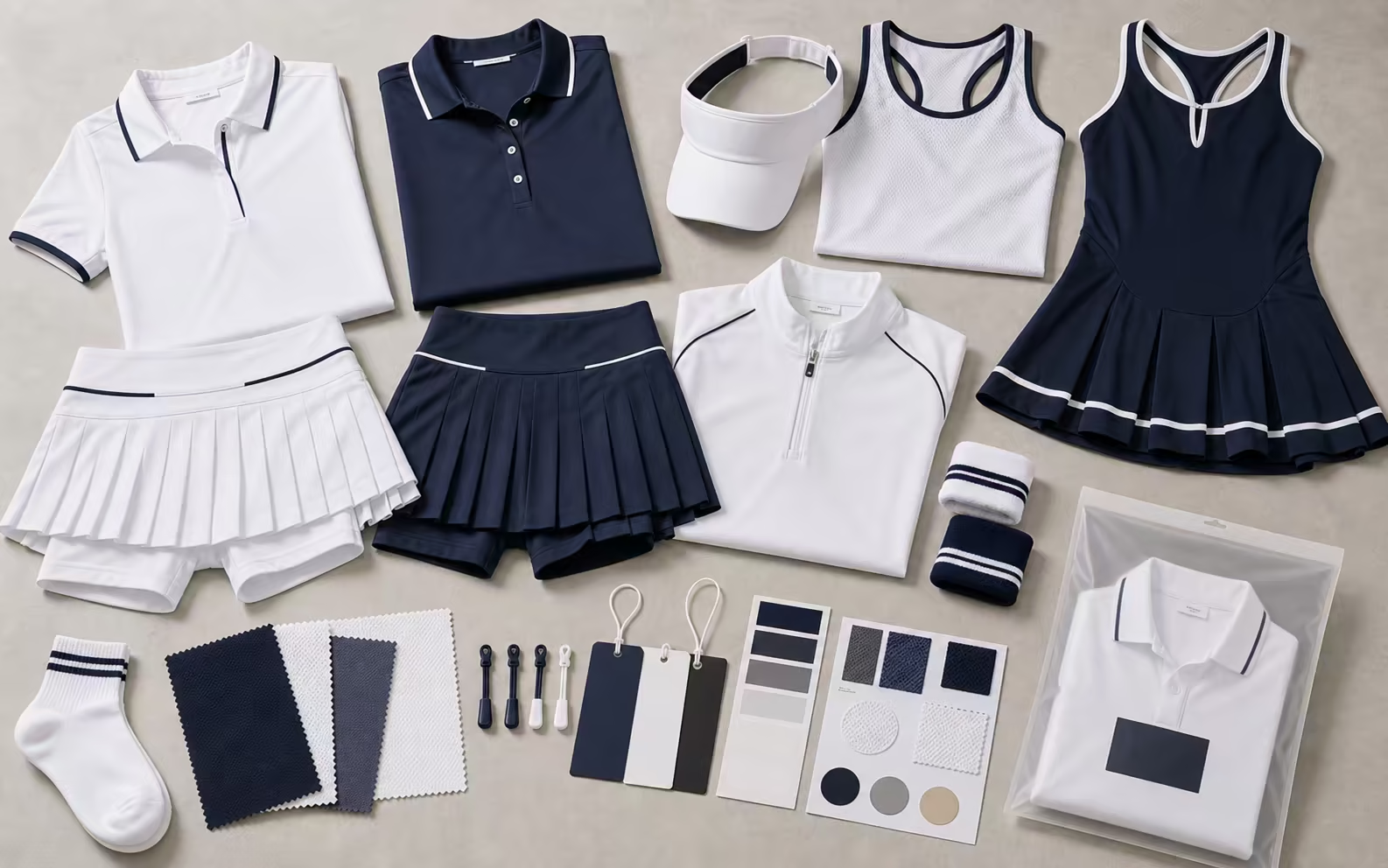
Illustrative product-planning reference: Custom tennis and pickleball apparel product board with polos skorts court dresses shorts visors wristbands socks UV fabrics labels and retail packaging

Court apparel OEM ODM

Custom Tennis and Pickleball Apparel Manufacturer

Build private label tennis and pickleball collections with polos, skorts, pleated skirts, court dresses, shorts, visors, wristbands, socks, UV fabrics, club colorways, labels, and retail-ready packaging.

Image and page scope: images are illustrative product-planning references, not photographs of available stock, current production, customer orders, or approved specifications. Exact product scope, materials, construction, decoration, MOQ, sampling, lead time, packing, and reorder conditions require project-specific confirmation.

Product details

Tennis and pickleball apparel for clubs, academies, resorts, pro shops, and ecommerce brands

Plan court silhouettes, UV fabric, stretch recovery, color stories, embroidery, heat-transfer logos, labels, hangtags, barcode stickers, polybags, and club pack rules before sampling.

Illustrative product-planning reference: Tennis polos pickleball skorts pleated skirts court dresses shorts visors wristbands socks and packaging

Polos, Skorts, and Court Dresses

  • Men's polos, women's sleeveless tops, skorts, pleated skirts, court dresses, shorts, and warm-up layers
  • Stretch pique, cooling jersey, UV fabric, liner shorts, breathable mesh, and contrast piping
  • Useful for tennis academies, pickleball clubs, resorts, pro shops, and ecommerce activewear brands
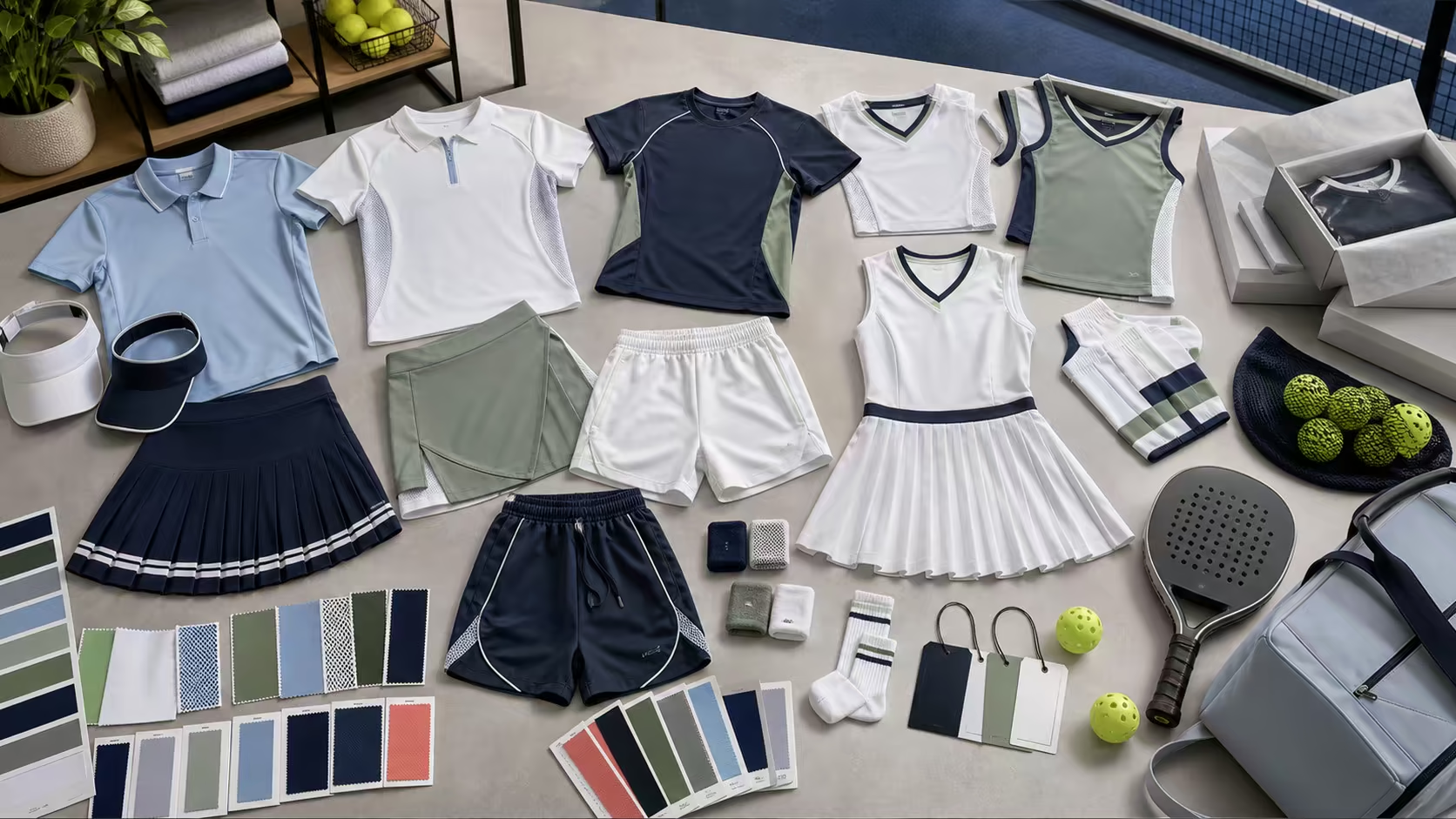
Illustrative product-planning reference: Racket sports apparel with club color cards court shorts socks visors tags and retail packaging

Club and League Programs

  • Club colorways, academy uniforms, league shirts, event apparel, sponsor artwork, socks, visors, and wristbands
  • Embroidery, heat transfer, silicone patches, woven labels, hangtags, barcode stickers, and polybags
  • Pack by club, team, event, store, SKU, size ratio, or player group
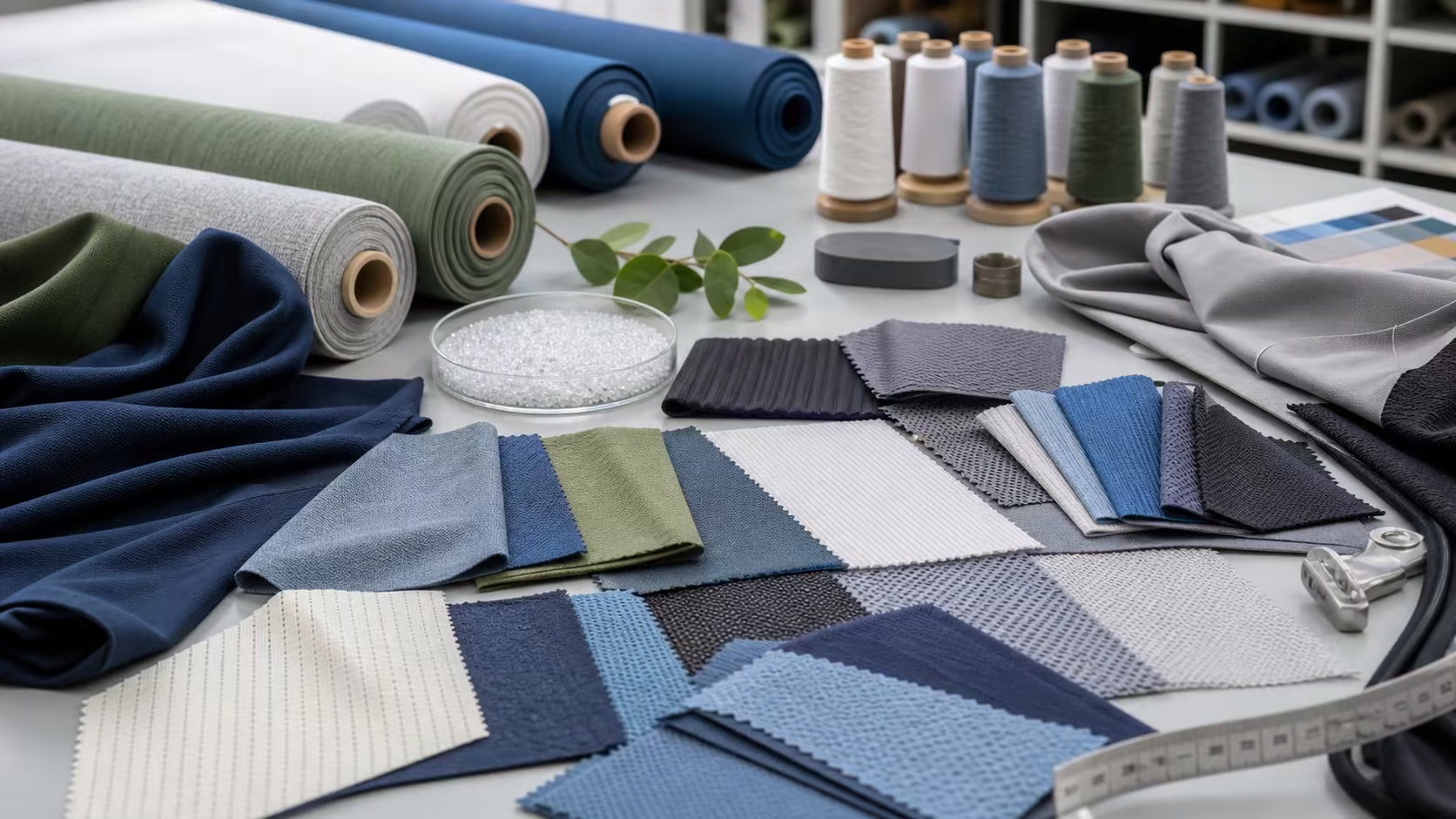
Illustrative product-planning reference: Cooling UV stretch fabrics and trim swatches for custom tennis and pickleball apparel

Fabric and Trim Planning

  • Cooling jersey, stretch pique, mesh panels, UV protection, recycled polyester options, and soft handfeel
  • Collars, zipper plackets, skirt liners, drawcords, rib trims, contrast tape, and embroidery placement
  • Confirm lab dips, sample fit, fabric handfeel, logo method, labels, and packaging before bulk production

Can GloryStarWear make tennis and pickleball apparel?

Yes. GloryStarWear can produce tennis polos, pickleball shirts, skorts, pleated skirts, court dresses, shorts, visors, wristbands, socks, labels, and retail packaging for OEM and ODM buyers.

What can be customized?

Fabric, fit, UV function, colorway, collar, skirt liner, pocket layout, logo placement, embroidery, heat transfer, woven labels, hangtags, barcode stickers, polybags, and carton sorting can be customized.

Who is this best for?

It fits tennis academies, pickleball clubs, padel clubs, resorts, pro shops, ecommerce sports brands, distributors, and event organizers building court apparel programs.

What quote inputs are needed?

Send product references, target sport, quantity, size range, fabric goal, logo files, colorways, packaging needs, delivery country, and expected launch date.

Direct answer

Approve court apparel with the intended ball load and court movement

A useful tennis or pickleball sample review identifies the exact garment, pattern, material, size, wearer scope, venue, condition, and care route, then tests serve reach, split steps, lateral movement, sprint-stops, lunges, bends, seated rest, pocket access, ball retention, liner movement, coverage, seams, moisture response, and post-wash recovery.

Critical limitation: no pocket depth, liner length, gripper, fabric, or inseam can guarantee retention, comfort, cooling, dryness, coverage, or fit for every player. Approve only the recorded configuration and name what remains untested.

Garment specification

Define the feature before deciding whether the sample passes

“Tennis pocket,” “built-in shorts,” and “breathable fabric” are not complete specifications. Connect each feature to the intended player action, object, condition, measurement, and evidence.

Garment areaSpecify before samplingPhysical sample checkBulk control
Top or poloSilhouette, torso and sleeve lengths, shoulder, armhole, neckline or collar, placket, hem, side vent, fabric, color, and artwork.Serve reach, overhead rotation, lateral movement, hem lift, torso cling, seam contact, collar or placket behavior, moisture observation, and care result.Approved pattern, measurements, fabric and color, stitch and trim references, artwork placement, labels, and tolerances.
Court shortsRise, waistband, drawcord, inseam, leg opening, liner route if used, pocket opening, depth, angle, bag shape, attachment, and intended balls or objects.One-handed access, ball count, retention, bounce, pocket-bag pullout, body contact, moisture transfer, running, stopping, lunging, sitting, and wash recovery.Pocket pattern and attachment, opening and depth measurements, waistband and drawcord, liner identity, seams, fabric, size grade, and approved load reference.
Skort or skirtWaistband and rise, shell overlap and length, liner length and opening, attachment, gripper if any, ball-storage route, pocket direction, and artwork.Coverage standing and moving, liner ride-up, shell separation, ball insertion and removal, pocket pull, waistband movement, repeated adjustment, opacity, and care.Shell and liner patterns, overlap, opening and pocket measurements, material direction, grade, attachment, labels, and approved physical sample.
Court dressTorso length, waist position, neckline, armhole, skirt length, liner or separate short, entry route, ball storage, closure, and bra or base-layer expectation.Overhead reach, torso pull, skirt lift, liner position, bathroom and dressing practicality recorded by wearer, ball access, coverage, pressure, and movement balance.Body and liner measurements, attachment or separate component identity, closure, fabric and color, size route, packed set, and customer-facing contents.
Warm-up and accessoriesLayering ease, ankle or cuff openings, zipper and pocket routes, cap or visor fit, sock height, club marks, set contents, and pack rule.Removal over shoes or court apparel, movement, hardware contact, pocket retention, heat or moisture observation, wash, and component reconciliation.Component list, sizes, color and artwork system, labels, individual pack, SKU, barcode, player or store allocation, and carton data.

Eight-part sample test

Make the ball, player movement, and sample revision traceable

  1. Lock the exact sample

    Record program, style, sample ID, revision, sport, garment component, size, pattern and measurement versions, fabric code, color, liner, elastic, pocket route, artwork, labels, and care instruction.

  2. Define wearer and use scope

    Use a privacy-controlled wearer code and record the selection basis, target customer, fit route, venue, climate condition, playing duration, base layers, and whether the sample is intended for match, training, event, or lifestyle use.

  3. Review the unloaded starting fit

    Check torso or waist balance, rise, hem and garment length, shoulder, armhole, liner, shell overlap, seams, edges, pressure, coverage, opacity, pocket position, and access before loading a ball.

  4. Name and load the pocket item

    Record the exact tennis or pickleball, quantity, approximate combined load, and any phone, key, card, or other item. Check opening, direction, one-handed access, containment, distortion, body contact, and interaction with the liner or shell.

  5. Run a court-specific movement sequence

    Define serves or overhead reaches, split steps, lateral shuffles, forward and backward movement, sprint-stops, lunges, squats, bends, and seated rest. Record ball bounce, displacement, pocket-bag pullout, liner ride-up, waistband shift, shell movement, hem lift, and adjustments.

  6. Observe heat and moisture without inventing a claim

    Record venue conditions, duration, where saturation or cling appears, whether the stored ball or pocket becomes damp, garment weight or handfeel changes, visibility by color, and wearer observations. A field observation does not prove universal cooling, wicking, drying, or UV performance.

  7. Wash and repeat the affected checks

    Use the proposed care route, then remeasure pocket openings, liner and shell lengths, waistband, top length, seams, elastic, grippers, drawcord, collar, placket, artwork, labels, and material surface. Repeat retention and movement checks when the result could change.

  8. Release a representative matrix

    Approve the base sample with chosen range-end or proportion-sensitive sizes, light or high-risk colors, alternate pocket or liner routes, and any construction transition. Link evidence, close issues, record limitations, and identify the controlled bulk reference.

Player language to evidence

Turn court-apparel complaints into product decisions

Player feedbackVariables to inspectEvidence to record
“The ball falls out or swings around.”Pocket opening, angle, depth, bag volume and shape, attachment, garment ease, ball count, body position, fabric, and movement.Named ball load, access route, sprint-stop and lunge sequence, displacement, bounce, bag pullout, garment distortion, and corrected sample comparison.
“The pocket makes the ball wet.”Pocket position and layers, separation from body, bag material, garment saturation, duration, climate, ball count, and opening.Starting conditions, time and location of moisture, comparison route, player observation, photos where useful, and limitation that field observation is not a laboratory moisture claim.
“The liner rides up when I move.”Liner length, opening, rise, gusset, fit, attachment, gripper, material recovery, seam, size, wearer proportions, and shell interaction.Starting and ending positions, timing, movement, adjustments, coverage, pressure, measurement, adjacent size, wash result, and pattern change.
“The skirt or dress is too short on court.”Body and liner length, torso or rise proportion, shell overlap, activity, coverage brief, size grade, material, and customer expectation.Standing, serve, lunge, bend and seated positions, wearer scope, garment measurements, privacy-controlled views, and alternate length or fit-route result.
“The top rides up during a serve.”Torso and hem length, shoulder, armhole, sleeve, side vent, ease, fabric stretch and recovery, seam, base layer, and player proportion.Starting hem position, overhead and serve sequence, exposed area if relevant to the brief, restriction, adjustments, measurements, wash, and corrected sample.

Free worksheet

Download the tennis and pickleball apparel sample checklist

The CSV records sample identity, sport, component, fit route, wearer code, venue, duration, top and bottom fit, liner, coverage, pocket construction, ball load, access, retention, moisture observation, court movement, adjustments, fabric, care, representative sizes and colors, artwork, evidence, issues, release, and limitations.

  • Delete the illustrative row and define product-specific acceptance rules before testing.
  • Use separate records for each changed pocket, liner, material, color, size, or construction route that needs evidence.
  • Protect wearer data and keep field observations separate from medical, UV, cooling, moisture, durability, or universal fit claims.

Scope and sources

Discussion identifies the question; the physical sample controls the answer

Recent player discussions repeatedly raise pocket depth, ball bounce, moisture at the pocket, liner ride-up, skirt or dress length, fit proportions, heat, and top coverage. These discussions inform the questions tested here; they do not prove a technical cause or product claim.

FAQ

Tennis and pickleball apparel sample questions

How should a tennis-shorts ball pocket be tested?

Name the intended ball type, quantity, approximate load, and playing context. Record one-handed access, opening recovery, retention, bounce, pocket-bag pullout, body contact, moisture observation, garment distortion, and results during serves, split steps, lateral movement, sprint-stops, lunges, bending, sitting, and the proposed care cycle.

Where should a tennis skort ball pocket be placed?

There is no universal position. Compare liner side-entry, top-entry, upside-down retention, shell, dual-layer, or other routes against the intended player action, hand access, ball count, liner fit, shell interaction, moisture, coverage, size grade, and production construction.

Why do skort or dress liners ride up?

Possible variables include liner length and opening, rise, gusset, fit, attachment, gripper, material recovery, seams, size, wearer proportions, shell balance, movement, moisture, and care. Record the starting condition and when the change occurs before selecting a correction.

Can one sample prove a tennis or pickleball collection is breathable or UV protective?

No. A wear trial can record conditions and observations for the tested sample, but performance and sun-protection wording require methods and evidence appropriate to the exact material, color, garment, claim, use, and intended market. Do not generalize from a fiber name or one wearer.

Should every court-apparel size and color be sampled?

Use a documented risk-based matrix. Include the base size, range ends, proportion-sensitive fits, light or high-risk colors, pocket and liner variants, and any size or color affected by a material, artwork, trim, or construction change. Add another sample when a changed variable creates an unverified result.

Plan a tennis or pickleball collection

Send reference photos, product list, logo files, quantity, fabric direction, size range, and packaging needs. We will suggest a practical sample route.