Identify
Confirm the style code, colorway, size, sample stage, revision, date, and the files used to make it.
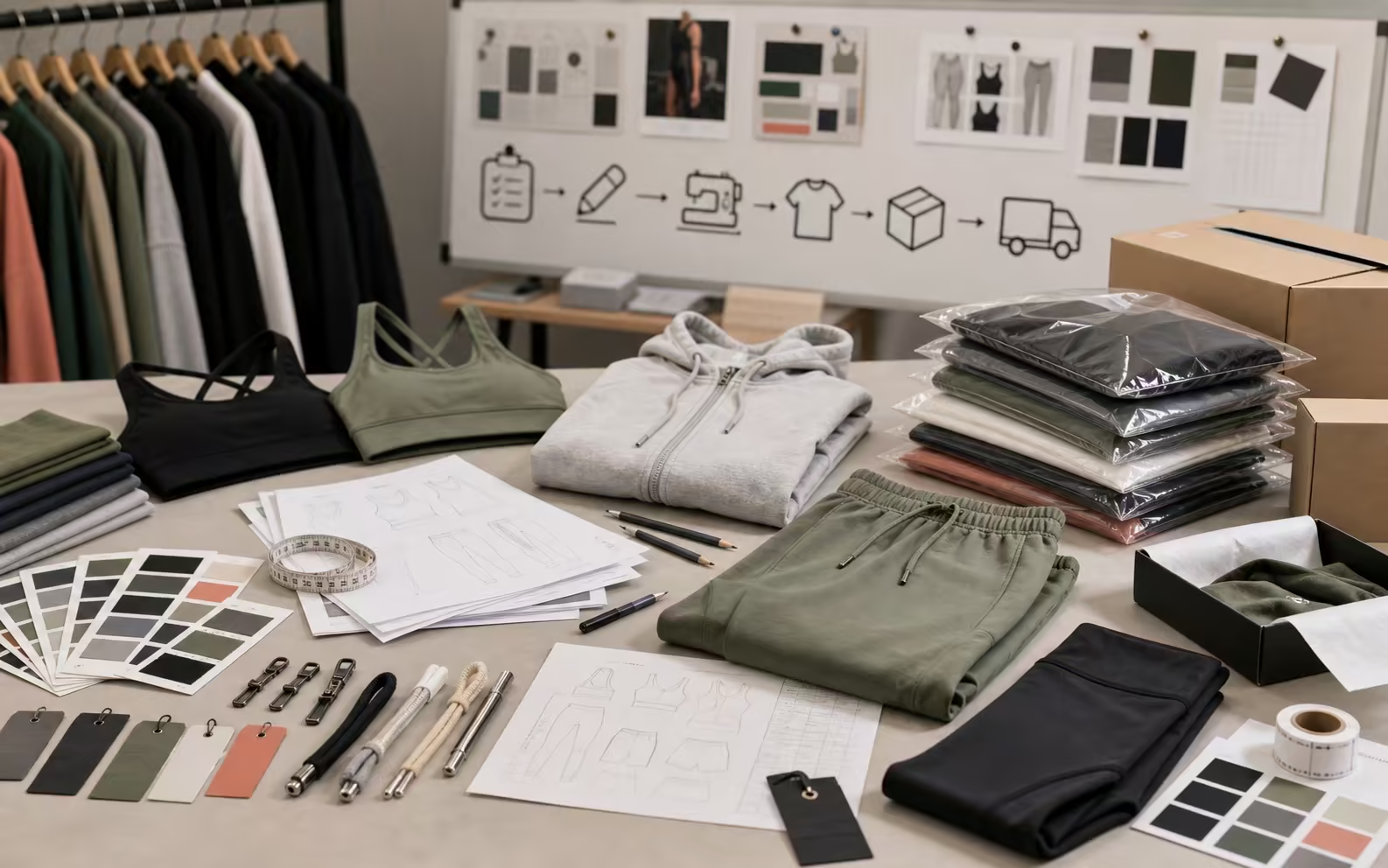
Buyer checklist
Approve the sample as a controlled production reference: identify the revision, measure it, test the fit and function, compare every visible detail, and close open questions in writing.
Direct answer
Approve the exact sample revision, material and color references, measurements and tolerances, wearer fit, construction, logo execution, labels, packaging, and every written correction. A visual "looks good" message is not enough when the tech pack, sample, artwork, or comment sheet still disagree.
Confirm the style code, colorway, size, sample stage, revision, date, and the files used to make it.
Compare every required point of measurement with the approved method, value, and tolerance.
Review fit, movement, coverage, comfort, construction, function, artwork, and visible quality.
Write exact changes, assign owners, update the specification, and state whether the sample is approved, revised, or rejected.
Sample stages
Factories and buyers may use different stage names. Define the deliverable and approval purpose instead of assuming the label means the same thing to everyone.
| Possible stage | Primary purpose | Do not assume |
|---|---|---|
| Development prototype | Test the design route, pattern idea, construction, and general proportions while decisions are still open. | The material, color, trim, artwork, or finish automatically represents bulk production. |
| Fit sample | Evaluate measurements, balance, coverage, movement, comfort, and the intended wearer fit. | A correct fit also approves artwork, labels, packaging, or a substitute sample material. |
| Size-set sample | Check how approved grade rules and construction behave across selected sizes where the project requires it. | One base-size approval proves every extreme size without measurement and fit review. |
| Pre-production sample | Consolidate the intended bulk material, construction, colors, artwork, trims, labels, and approved measurements. | Any remaining substitution or open comment can be resolved after bulk cutting without risk. |
| Packing reference | Confirm folding, labels, barcodes, polybags, inserts, assortment, carton marks, and pack identification. | Garment approval automatically covers retail and shipment preparation. |
Seven checks
Use the same sequence for every revision so a visible improvement does not distract from an unresolved measurement, material, or packing issue.
Match the physical sample label to the style code, size, colorway, revision, date, tech pack, artwork files, and comment sheet.
Compare fabric, lining, mesh, elastic, pads, zippers, drawcords, thread, labels, and colors with named approved references.
Use the documented point-of-measure method. Record actual values rather than describing a garment only as tight, loose, short, or long.
Use the intended wearer and activity where practical. Review movement, coverage, support, recovery, closures, pockets, and comfort.
Check seam type and position, stitch appearance, reinforcement, symmetry, hems, edge finish, panel alignment, and internal workmanship.
Verify artwork revision, size, color, orientation, distance from seams, registration, labels, hangtags, and any sponsor or player data.
Confirm folding, barcode and size labels, polybag, insert, assortment, carton marks, open issues, and the final bulk-production reference.
Approval language
Some comments can be verified through a revised file or measurement record; others change fit, material, construction, color, or appearance and should be confirmed on a new sample. State which path applies.
Reusable approval record
Use one row for each sample review or release decision. The register keeps the physical sample identity, linked file revisions, evidence, open issue, owner, due date, decision, and bulk-production status together. Delete the illustrative row before entering project data.
Comment quality
A useful comment identifies the location, current condition, required result, evidence, and the document that must be updated.
| Area | Avoid | Record instead |
|---|---|---|
| Measurement | Make the waistband tighter. | Name the point of measurement, sample result, required value, tolerance, measurement method, and affected sizes or grade rule. |
| Fit | The top feels wrong. | Identify the wearer size, activity or pose, exact pressure or looseness location, related measurements, and the intended fit result. |
| Artwork | Move the logo a little. | Name the artwork file and placement, then give the finished size and distance from a defined seam or garment reference. |
| Color | Use a brighter green. | Refer to the approved color standard or swatch and state which fabric, artwork, trim, label, or packaging component changes. |
| Construction | Improve the stitching. | Mark the seam or operation, required stitch or finish, observed defect, and the acceptance reference for the next sample. |
| Status | Everything else is okay. | List approved sections, unresolved sections, required new evidence, responsible person, due date, and the next approval stage. |
Bulk handoff
Before bulk begins, consolidate approval into a controlled package. Do not make the production team reconstruct the decision history from chat messages.
Identify the exact sample retained by the buyer, supplier, or both, including style, size, colorway, revision, and date.
Issue the current tech pack, bill of materials, measurements, tolerances, construction, artwork, labels, and packaging files together.
Mark every comment approved, superseded, rejected, or still open, with the file or sample that proves closure.
Require written approval before a bulk material, trim, measurement, artwork, label, or packing detail differs from the released reference.
Continue planning
FAQ
Photos and video can confirm visible details, but they cannot fully verify wearer fit, handfeel, stretch recovery, comfort, internal construction, or physical measurements. Define which items can be approved remotely and which require a physical reference or other agreed evidence.
There is no universal number. The required stages depend on product complexity, new materials, fit risk, size range, artwork, packaging, and how much changed after each review. Approve against evidence, not a target sample count.
Only through a documented and approved change. Record the bulk material reference, explain the difference, and decide whether a swatch, test, component sample, or new garment sample is required before production.
Reduce open variables rather than leaving them ambiguous. Use available materials, focused colors, proven construction, simpler branding, or staged packaging where appropriate, but keep the final approved scope explicit.