Brief
Send product type, references, logo files, fabric preference, size range, target price, and order quantity.
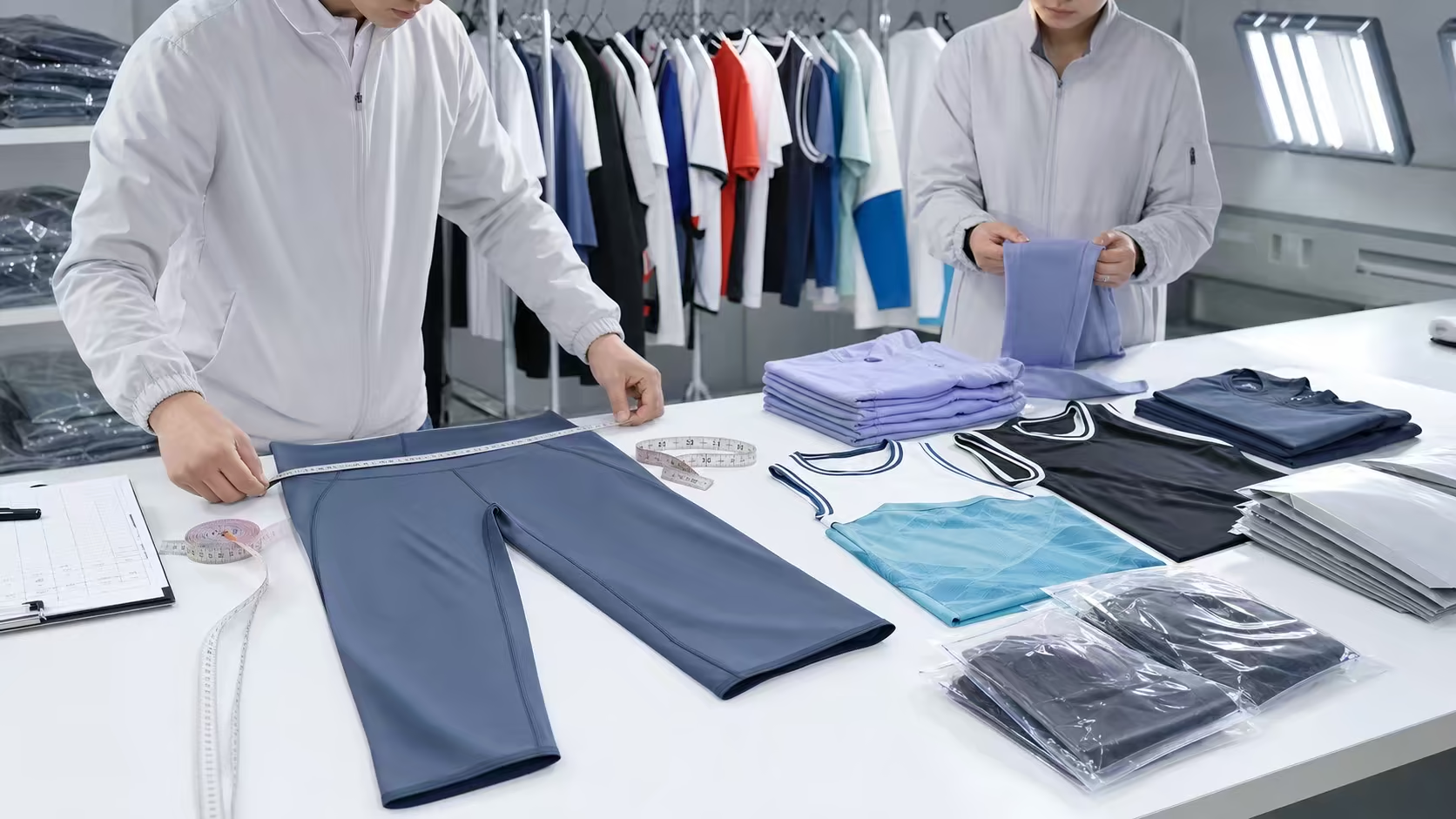
Prototype to bulk production
Plan the development prototype, fit and size review, pre-production approval, bulk quality checks, packaging, and shipment handoff with each decision recorded before the next stage.
Four-stage overview
Each stage should name the current inputs, responsible parties, review evidence, open issues, and release decision before the next stage begins.
Send product type, references, logo files, fabric preference, size range, target price, and order quantity.
We confirm product route, customization method, packaging scope, lead time, and estimated unit cost.
Prototype, fit review, logo execution, packaging sample, and revisions before bulk approval.
Production, QC, packing, carton labels, final inspection, and delivery coordination.
Process scope
This page controls the evidence and decision required to move from brief to prototype, fit or size review, pre-production sample, bulk production, inspection, packing, and shipment release. For the wider coordination of product development, material sourcing, packaging, and delivery responsibilities, use the one-stop sportswear service workflow.
Direct answer
A sample is ready to control bulk production only when its unique ID and revision match the released tech pack, bill of materials, measurements, artwork, labels, packaging, and written approval decision. Open exceptions need a named owner, deadline, verification method, and explicit hold or release status.
Use a stable style code, sample stage, sample ID, revision, colorway, size, receipt date, and reviewer so comments cannot migrate to the wrong garment.
Link measurements, fit notes, material references, artwork proofs, label files, packing evidence, and photos to the sample being reviewed.
Choose approved, conditional approval, revise and resubmit, or rejected. Do not treat a casual message or an unresolved comment sheet as bulk release.
Record the approved sample and every current controlled file before cutting, decoration, labeling, packing, or any approved exception proceeds.
Free CSV template
The downloadable CSV includes sample identity, document revisions, material and color references, measurement and fit results, construction, artwork, labels, packaging, evidence, open issues, decision, and bulk-release fields. Delete the clearly marked illustrative row before using it for a real order.
Sampling route
A project does not need every sample name by default. Agree which risks must be tested, what evidence will be reviewed, who approves it, and which approved reference controls bulk production.
| Sample stage | Main purpose | Approval evidence |
|---|---|---|
| Development prototype | Test the first construction route, proportions, component choices, and whether the brief can become a workable product. | Revision identity, material references, drawings, construction notes, open questions, and the next-sample plan. |
| Fit sample | Review garment balance, comfort, coverage, mobility, measurements, and how the intended material behaves on the wearer. | Measured values, wearer profile, fit photos or notes, pattern changes, material identity, and approved comments. |
| Size-set sample | Check how the base fit and grade rules translate into representative smaller and larger sizes. | Size chart, point-of-measure method, actual measurements, fit result by reviewed size, and grading corrections. |
| Pre-production sample | Close the final bulk specification for fabric, color, artwork, labels, trims, measurements, and construction. | Approved sample ID, bill of materials, artwork revision, tolerance table, label files, packaging rules, and written bulk release. |
| Packaging sample | Confirm folding, labels, polybags, inserts, barcodes, size stickers, player or SKU identification, and carton presentation. | Pack photos, dimensions, barcode test where required, warning text, assortment rule, carton marks, and approved packing reference. |
Production control record
A status message is not an approval record. Each stage should identify the product, revision, responsible approver, evidence reviewed, open issue, decision, and next controlled reference.
Record buyer, style code, revision, intended use, target market, quantity, size range, delivery destination, and the files that define the request.
Prepare the first briefConnect fit comments, measurements, material, color, artwork, labels, packaging, photos, and named approver to the correct physical sample.
Use the sample approval checklistFreeze the approved sample ID, bill of materials, tolerance table, artwork versions, label files, packaging rules, quantity, and written production release.
Review the quality handoffRecord the production lot, inspection instruction, defect findings, corrective action, packing evidence, carton allocation, and final release decision.
Prepare the inspection briefControl the sample ID, linked file revisions, review evidence, open issues, approver, decision, and exact production reference in a reusable spreadsheet.
Download the approval registerTrack which operating, certificate, material, production, quality, packing, and commercial claims were requested, received, verified, and reviewed.
Download the evidence CSVProcess visuals
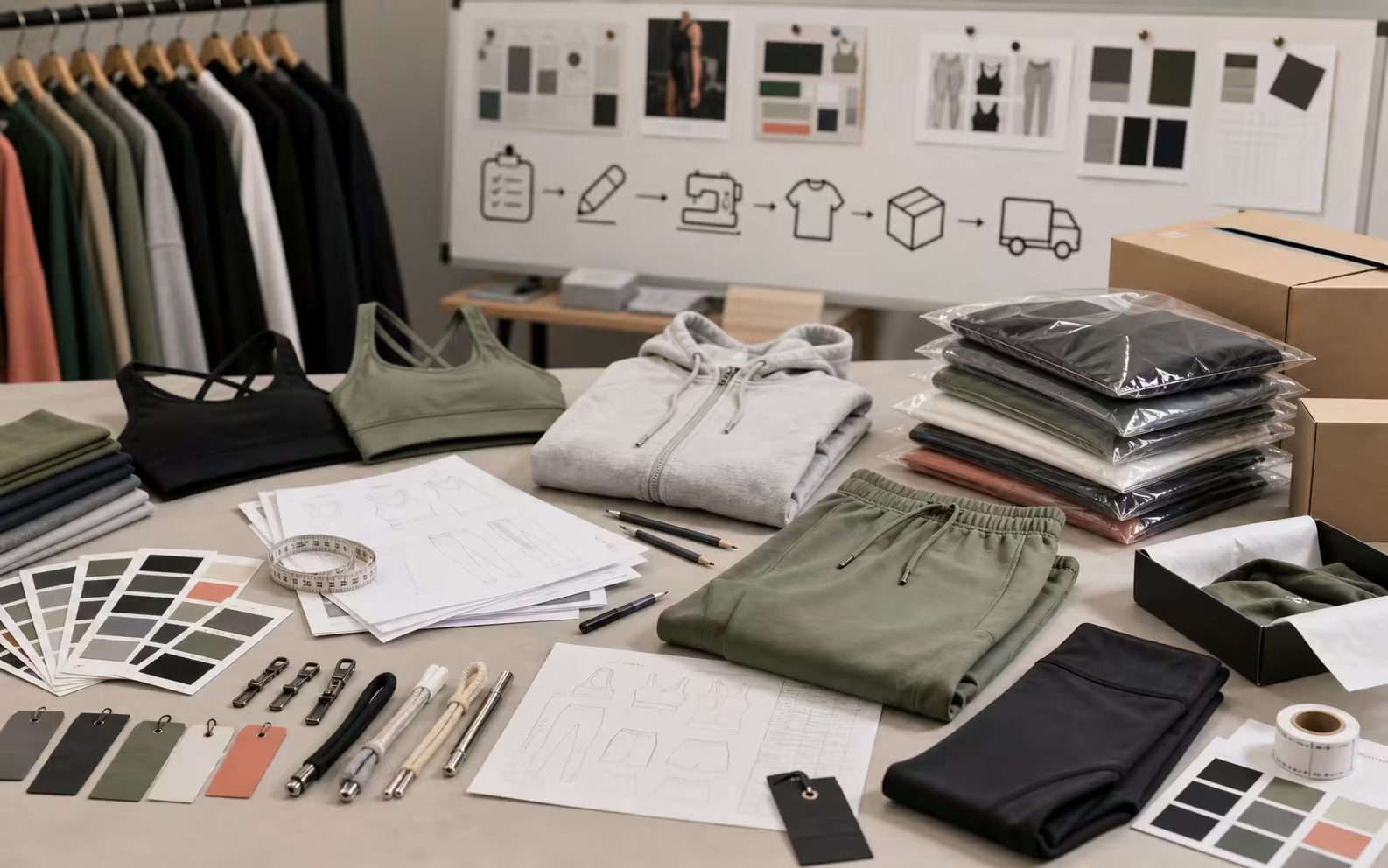
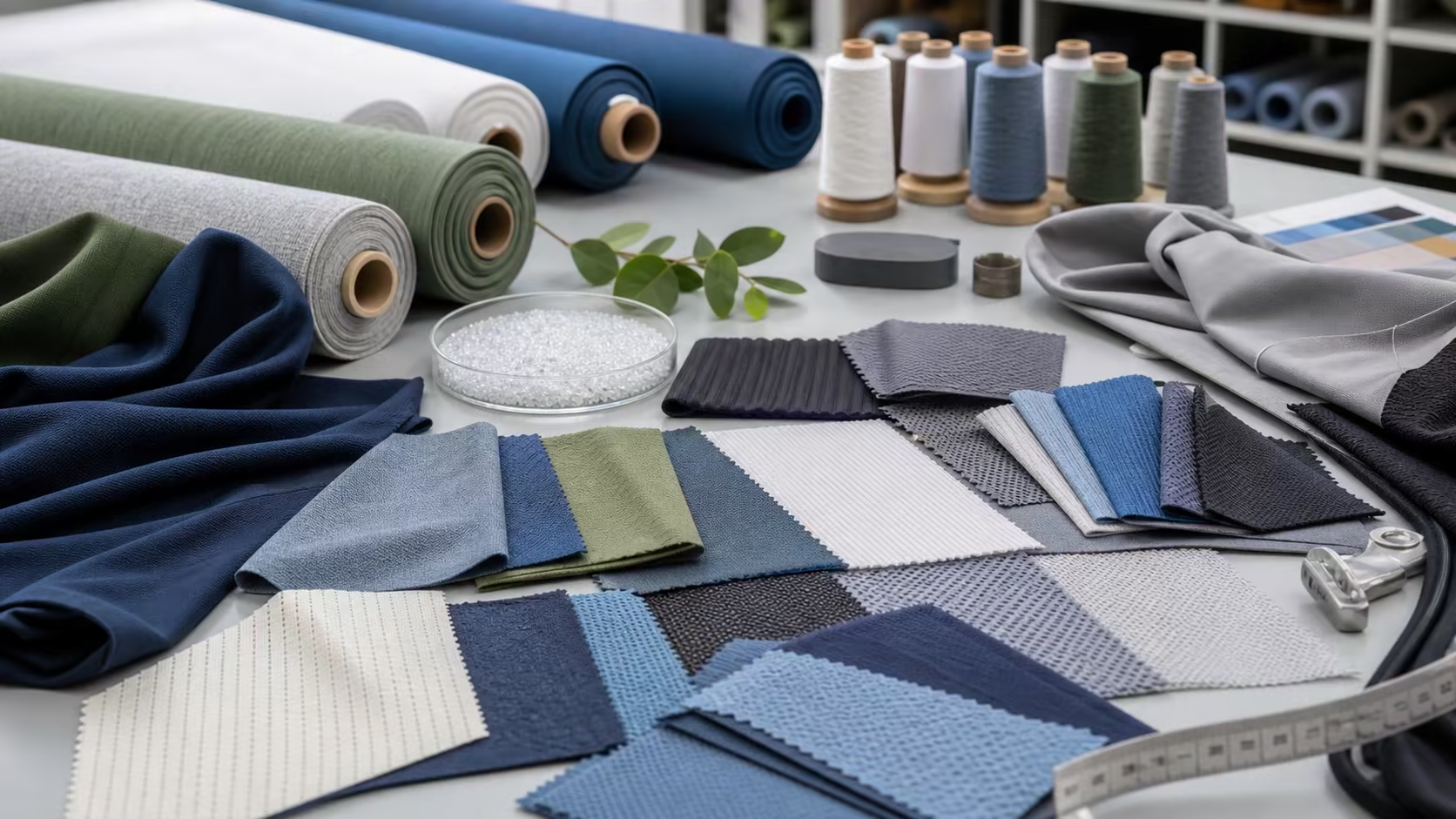
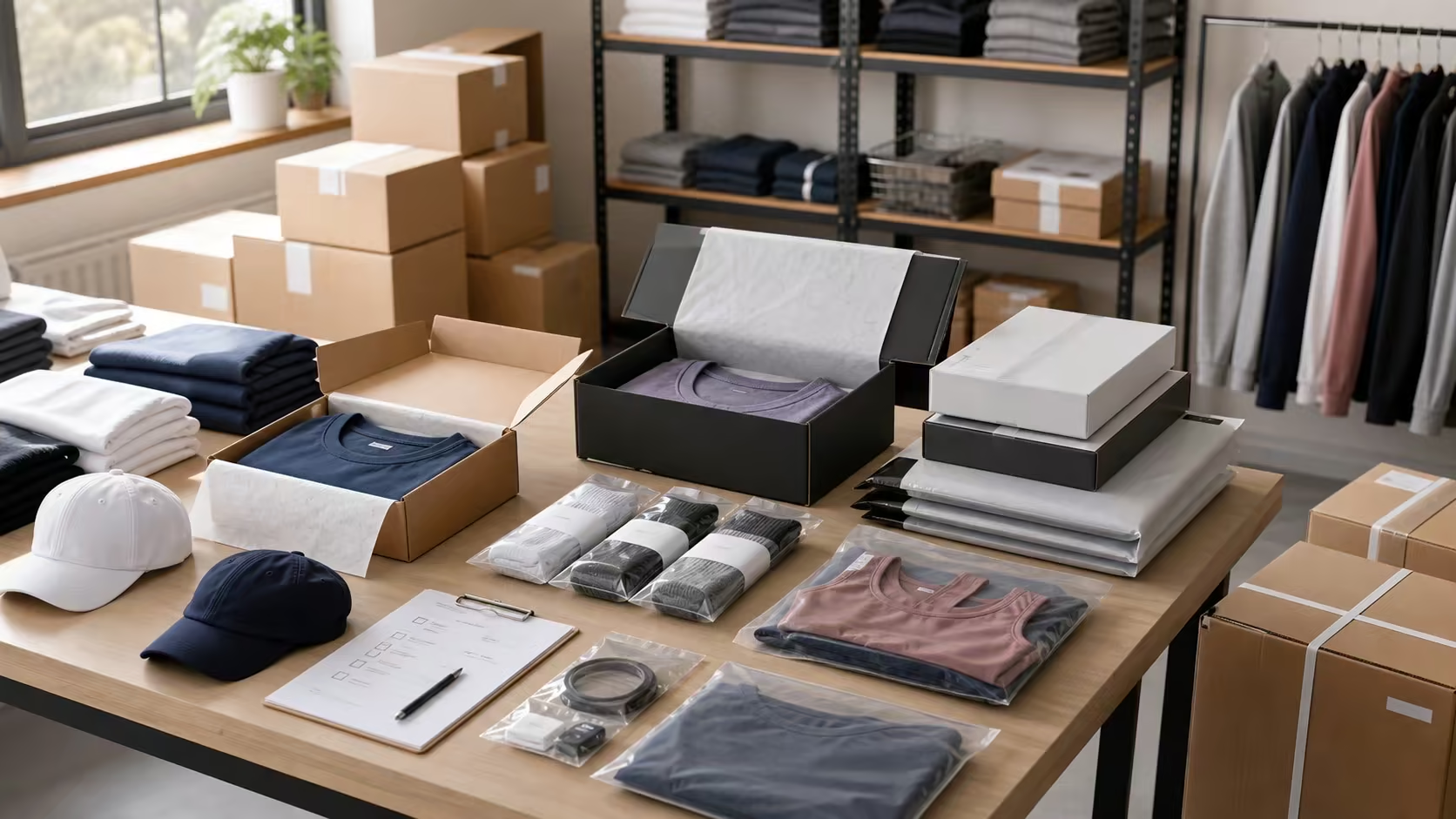
Reference images, sample development, material confirmation, QC, and packaging are kept visible throughout the project.
Process answers
Clear inputs reduce sampling time, prevent production mistakes, and help both sides confirm the right route for custom activewear, teamwear, and packaging.
For a fast quote, send product category, reference images, quantity, logo files, size range, fabric target, customization method, packaging needs, and delivery market.
Bulk production starts after the sample, fabric, size chart, logo execution, label artwork, packaging, and payment terms are approved.
Yes. OEM production can follow a buyer's tech pack, while ODM development can start from references, target price, market, fabric direction, and brand requirements.
Shipment preparation can include carton marks, SKU sorting, size ratio packing, packing lists, export documents, and forwarder coordination.
The bulk release should name the approved sample, material, measurements, artwork, labels, packaging, revision, quantity, responsible approver, and any remaining controlled exception.
Send whatever you have now. References and quantity are enough for the first production route discussion.