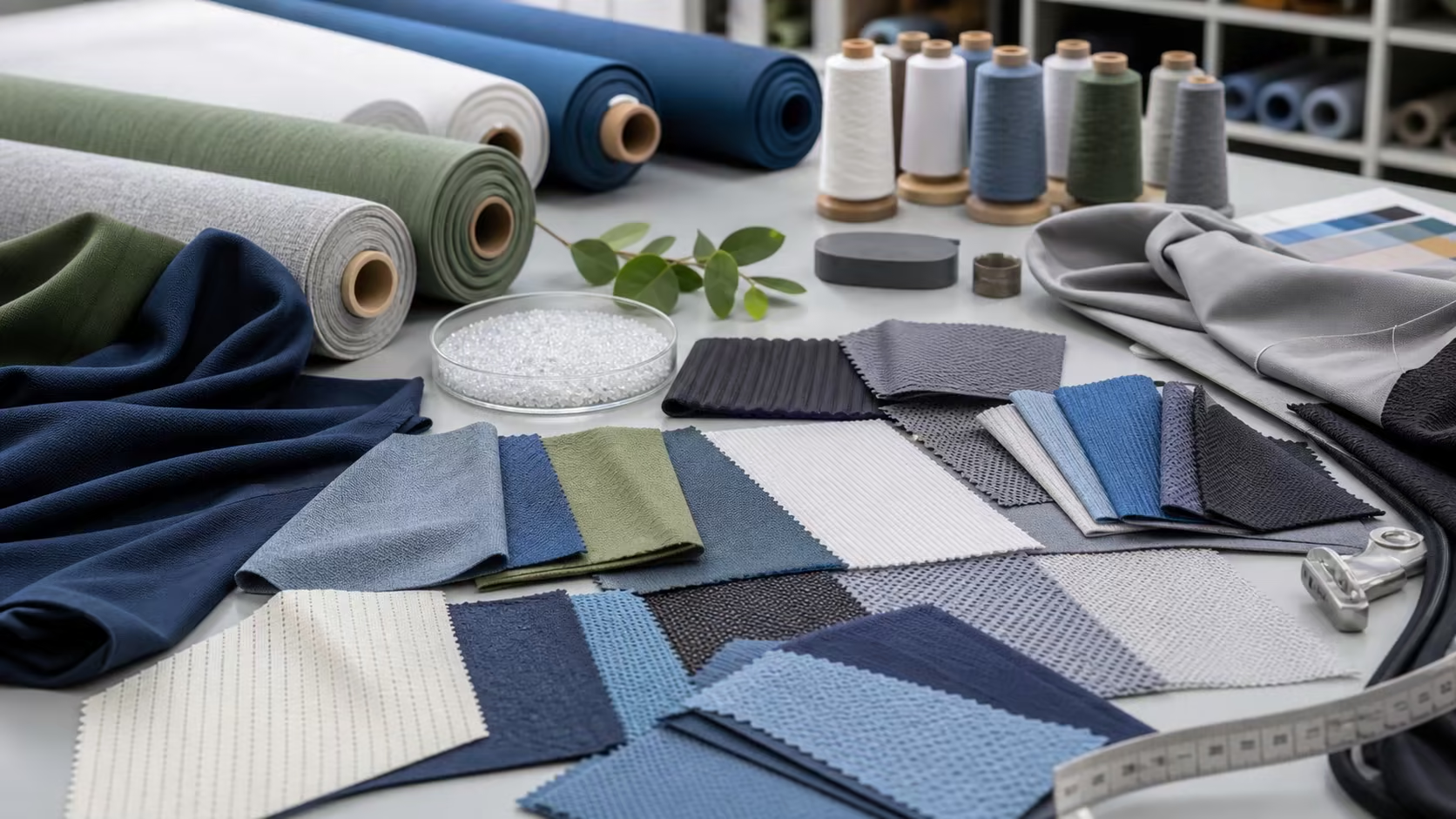
Fabric, color, and decoration planning
Sportswear Fabric and Color Library
Filter material directions by product, construction, and decoration; shortlist the closest routes; then define the coded swatch, color, sample, testing, and bulk controls that still require project confirmation.
Material route overview
Start with garment use, then compare fabric and decoration compatibility
A fabric name is not a complete specification. Define the product, activity, fit, coverage, climate, care, decoration, test method, and approval evidence before selecting a coded swatch.
Activewear Fabrics
- Nylon spandex for soft yoga leggings and bras
- Polyester spandex for training and teamwear
- Fleece, French terry, and cotton blends for athleisure
- Mesh, rib, seamless knit, jacquard, and recycled fabric options
Decoration Methods
- Sublimation for basketball and football kits
- Heat transfer and silicone logo for activewear
- Embroidery, screen print, woven patches, and rubber badges
- Neck labels, size labels, hangtags, and barcode labels
Interactive fabric planning library
Compare 16 material directions before requesting coded swatches
This library describes briefing directions, not current stock, approved specifications, mill codes, or fixed availability. Every composition, construction, finished GSM, stretch result, finish, color, MOQ, test, decoration route, and commercial term must be confirmed against the exact supplier code and physical sample.
Showing all 16 planning directions.
GSM bands are briefing prompts only. They are not available-stock or tolerance claims.
Nylon-rich or comparable stretch interlock
- Plan for
- Leggings, sports bras, Pilates sets, fitted studio tops
- Brief band
- Discuss approximately 210–280 GSM before coded swatches
- Confirm
- Fiber mix, opacity, stretch and recovery method, pilling, colorfastness, heat sensitivity
Brushed stretch jersey direction
- Plan for
- Soft-feel leggings, long sleeves, fitted tops, lifestyle training sets
- Brief band
- Discuss approximately 190–260 GSM before finishing trials
- Confirm
- Face or two-side brushing, shade change, pilling, transfer marks, recovery after wash
Polyester-rich performance jersey
- Plan for
- Running shirts, training tops, rowing layers, fishing and event apparel
- Brief band
- Discuss approximately 120–180 GSM for the intended coverage
- Confirm
- Moisture method, dry rate, snagging, wet cling, UV claim evidence, print route
Engineered or open-hole mesh direction
- Plan for
- Basketball, football, flag football, training jerseys and ventilation panels
- Brief band
- Discuss approximately 110–180 GSM with hole size and coverage
- Confirm
- Openness, snagging, seam stability, number coverage, lining need, sublimation result
Sublimation-oriented polyester interlock
- Plan for
- Soccer, basketball, volleyball, esports, sponsor graphics and player numbers
- Brief band
- Discuss approximately 135–200 GSM by sport and coverage
- Confirm
- Production-fabric color, show-through, migration, handfeel, abrasion, physical strike-off
Stable stretch tricot direction
- Plan for
- Compression layers, cycling panels, wrestling and high-support fitted garments
- Brief band
- Discuss approximately 180–260 GSM with stretch-load targets
- Confirm
- Modulus, recovery, seam and needle route, opacity, heat-transfer trial, wearer validation
Swim and rash-guard stretch knit direction
- Plan for
- Swimwear, rash guards, surf tops and fitted water-sport pieces
- Brief band
- Discuss approximately 170–240 GSM by lining and coverage route
- Confirm
- Chlorine or salt-water method, wet opacity, recovery, lining, colorfastness, care claim
Light outdoor jersey direction
- Plan for
- Fishing shirts, sun hoodies, trail tops and warm-weather outdoor layers
- Brief band
- Discuss approximately 120–190 GSM with coverage and climate
- Confirm
- UV-test scope, ventilation, sweat visibility, dry rate, odor claim route, hood weight
Mechanical or elastane stretch woven
- Plan for
- Training shorts, field-hockey bottoms, golf, hiking and pocketed garments
- Brief band
- Discuss approximately 110–190 GSM by durability and drape
- Confirm
- Stretch direction, tear and abrasion route, pocket load, noise, coating, transfer adhesion
Wind-resistant woven shell direction
- Plan for
- Windbreakers, warm-up jackets, team travel layers and light outerwear
- Brief band
- Discuss approximately 70–150 GSM before lining and finish
- Confirm
- Air permeability, water-repellent claim, coating, seam route, lining, embroidery backing
French terry or loopback knit direction
- Plan for
- Hoodies, joggers, crewnecks and transitional athleisure
- Brief band
- Discuss approximately 230–340 GSM by climate and silhouette
- Confirm
- Fiber mix, shrinkage, spirality, face pilling, rib match, print or embroidery test
Brushed fleece direction
- Plan for
- Club hoodies, varsity layers, winter warm-ups and merchandise
- Brief band
- Discuss approximately 280–400 GSM with brushing and climate
- Confirm
- Brushing side, shedding, shrinkage, pilling, rib shade, embroidery and print surface
Rib or jacquard stretch-knit direction
- Plan for
- Studio sets, fitted tops, waistbands, cuffs and engineered texture
- Brief band
- Discuss approximately 180–300 GSM by structure and stretch
- Confirm
- Repeat, shrinkage, transparency, recovery, panel alignment, logo route, color consistency
Circular or seamless-style knit direction
- Plan for
- Seamless leggings, bras, tops and engineered ventilation zones
- Brief band
- Define yarn, machine, structure and finished weight by style
- Confirm
- Machine route, size architecture, zone map, stretch, transparency, wash recovery, logo method
Stable teamwear interlock direction
- Plan for
- Rugby, baseball, softball and structured match or training jerseys
- Brief band
- Discuss approximately 170–240 GSM by contact and coverage
- Confirm
- Burst or tear route, abrasion, seam strength, panel stability, decoration load, wearer layering
Project-specific recycled-content route
- Plan for
- Programs that require a named recycled input and supportable market claim
- Brief band
- Select the base construction first; recycled content alone is not a specification
- Confirm
- Supplier code, chain documents, claim wording, transaction scope, test need, substitution authority
Sportswear color library workflow
Control color by method, material, and physical approval
A screen color, paper reference, dyed swatch, sublimation strike-off, embroidery thread, zipper, and finished garment can appear different. Record the color system and code, intended substrate, process, lighting, tolerance method, physical approval, and bulk reference instead of relying on a color name alone.
- 01
Name the source
Record the brand color, physical object, file profile, color-system book, edition, code, and who owns the decision.
- 02
Separate each substrate
Main fabric, mesh, rib, lining, print, transfer, thread, badge, zipper, label, and packaging may need separate targets.
- 03
Request the right sample
Use a dyed lab dip, printed strike-off, embroidery or trim sample, and then the relevant garment revision—not a screen image alone.
- 04
Compare under agreed conditions
Record lighting, background, conditioning, measurement method if used, visual decision, approver, date, and open exceptions.
- 05
Release one controlled reference
Link the approved physical and digital references to the style, colorway, material code, artwork revision, and production release.
- 06
Recheck bulk and reorders
Compare production against the retained reference and reconfirm lots, materials, trims, processes, and acceptable change before a reorder.
Does this page show currently stocked fabrics or colors?
No. It is a planning library. Current supplier codes, colors, swatches, minimums, testing, and availability are confirmed only for the submitted project.
Can a Pantone code replace a physical swatch?
No. Record the exact Pantone system, book, edition, and code as an input, then approve the result on the intended fabric, print process, thread, trim, or packaging material.
Can one color approval cover every component?
Not automatically. Different fibers, constructions, finishes, print processes, threads, plastics, and papers can require separate targets and approvals.
Can an old approval be reused for a reorder?
Only after the material code, lot, process, trim source, artwork, lighting method, retained reference, and acceptable differences are reconfirmed.
Material library
Fabric, trims, and product use cases in one view
Each fabric choice is matched with the product category, decoration method, handfeel, opacity, recovery, and packaging target.

Trims Library
Fabric, zippers, labels, and color systems

Yoga Fabric
Soft stretch, opacity, and compression balance
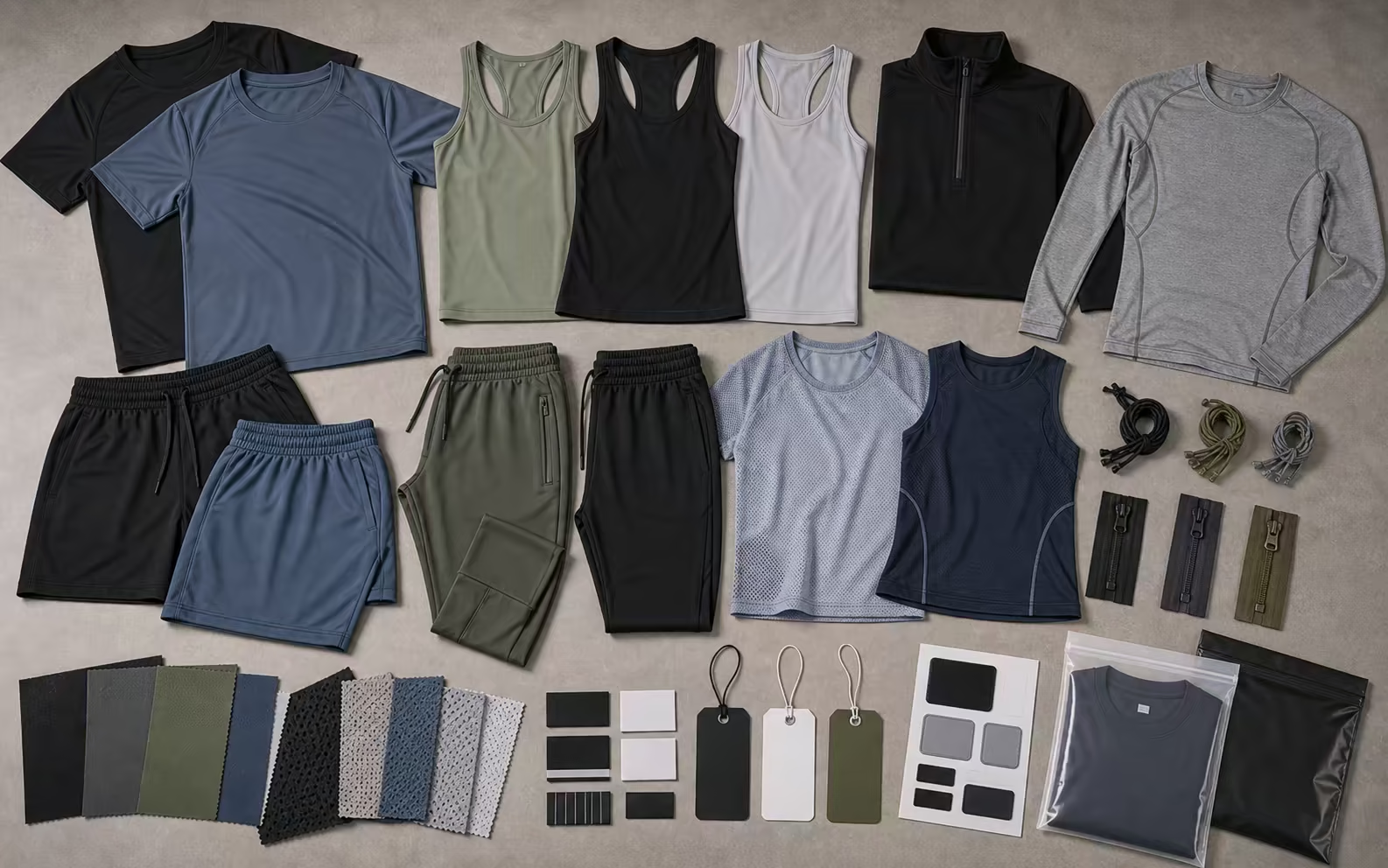
Training Fabric
Breathable, quick-dry, and durable materials
Material matching
Match fabric performance to each product
Compare handfeel, stretch, breathability, opacity, durability, and decoration compatibility before requesting samples.
Soft handfeel, high stretch recovery, smooth compression, and opacity for leggings and sports bras.
Quick-dry, breathable, durable fabric for gym tops, shorts, track pants, and compression layers.
Colorfast polyester mesh and interlock for basketball uniforms, football kits, sponsor graphics, and player numbers.
French terry, cotton fleece, rib, and interlock for hoodies, joggers, tracksuits, and lifestyle sets.
Buyer workflow
Move from fabric direction to an approved material record
Use the selection guide to define the material, compare coded swatches, test it in the garment, and connect approval to the tech pack and bulk inspection.
Need a coded-swatch review?
Send the product, selected planning directions, intended use, handfeel, coverage, color, decoration, target market, and quantity. The available supplier codes and appropriate approval route are confirmed against the project.