Identify the material
Use a supplier or mill code, approved swatch reference, composition, knit or weave, color, finish, and revision.
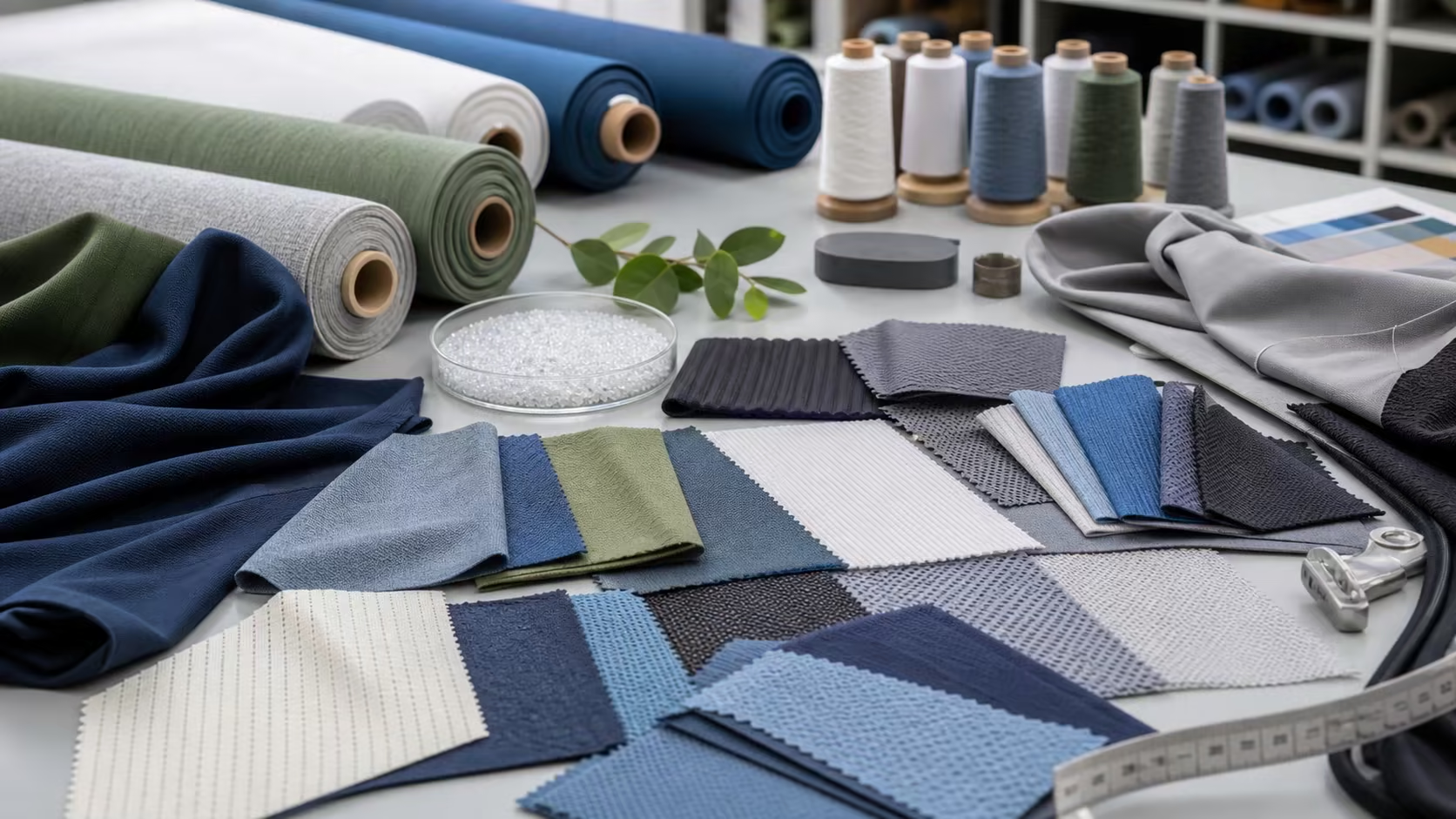
Material specification guide
Turn handfeel and performance goals into a controlled fabric record for quoting, sampling, comparison, approval, and repeat production.
Direct answer
Record the fabric identity, composition, construction, finished weight, width, stretch direction, stretch and recovery behavior, color reference, surface finish, opacity requirement, care condition, decoration compatibility, test evidence, and approved physical swatch. GSM is useful, but it cannot define softness, compression, breathability, recovery, or durability by itself.
Use a supplier or mill code, approved swatch reference, composition, knit or weave, color, finish, and revision.
Define stretch direction, recovery, coverage, support, drape, airflow, surface feel, and the intended wearing condition.
Name the sample check, wash condition, comparison method, test report, or market requirement that supports each important claim.
Link the approved swatch and sample to one dated record, then define how bulk fabric will be checked against it.
Fabric record
Two fabrics can share a composition and nominal weight but behave differently because of yarn, construction, finishing, dyeing, width, and production variation.
| Specification area | What to record | Why it matters |
|---|---|---|
| Identity | Fabric code, supplier or mill reference, revision, swatch ID, lot or batch reference where available. | Prevents an untracked material from being treated as the approved fabric. |
| Composition and structure | Fiber percentages, knit or weave, face and reverse description, yarn or filament notes when relevant. | Influences handfeel, stretch, printing, care, durability, and labeling. |
| Finished dimensions | Finished GSM or agreed weight range, usable width, thickness where relevant, and measurement condition. | Supports yield, cost comparison, coverage, garment weight, and repeatability. |
| Stretch and recovery | Stretch direction, agreed measurement method, result, recovery expectation, and relaxation condition. | Affects fit, compression, seam strain, knee or elbow growth, and size stability. |
| Color and surface | Physical color reference, finish, texture, luster, brushing, rib, mesh, print base, and viewing light. | Controls visual approval across fabric, panels, trims, and decoration. |
| Performance and care | Opacity, airflow, moisture behavior, pilling, abrasion, dimensional change, colorfastness, and required care condition. | Connects the material to product use and prevents unsupported marketing language. |
| Approval and bulk control | Approved swatch, sample revision, report references, acceptance rules, approver, date, and bulk inspection point. | Creates a repeatable reference for purchasing, cutting, production, inspection, and reorder review. |
Selection workflow
Start with the wearer and garment function, then narrow materials through physical comparison and controlled samples.
Record activity, climate, duration, movement, skin contact, coverage, layering, target customer, and intended market position.
State whether the fabric must provide support, drape, ventilation, warmth, abrasion resistance, print clarity, or a specific surface feel.
Mark non-negotiable performance and compliance needs separately from preferred handfeel, appearance, or commercial targets.
Compare identified swatches rather than unnamed images. Keep each code connected to composition, construction, weight, width, finish, color, and availability notes.
Review opacity, stretch, recovery, seam behavior, decoration, comfort, and appearance in the actual pattern and intended wearing condition.
Release the swatch code, color reference, sample revision, specification, open exceptions, and evidence together.
State which identity, appearance, dimension, performance, and documentation checks apply before cutting and during final inspection.
Product priorities
A fabric should be evaluated in the product where it will be used. A swatch alone cannot prove complete garment performance.
| Product | Material priorities | Sample checks |
|---|---|---|
| Leggings and fitted shorts | Coverage under extension, recovery, support, surface durability, seam compatibility, and waistband behavior. | Movement, bend and stretch coverage, knee growth, waistband recovery, seam strain, and wash comparison. |
| Sports bras and fitted tops | Support, recovery, skin comfort, coverage, lining compatibility, elastic interaction, and moisture condition. | Band pressure, neckline and side coverage, strap behavior, pad or lining stability, movement, and repeated wear condition. |
| Training tees and tanks | Airflow, drying behavior, cling, drape, odor-management claim evidence, print compatibility, and seam comfort. | Movement, wet appearance, drying comparison, print or transfer trial, wash result, and body-contact comfort. |
| Compression base layers | Controlled stretch and recovery, support intent, opacity, skin comfort, thermal or cooling direction, seam compatibility, and evidence for any performance claim. | Movement, donning and removal, garment growth, pressure at edges, stretch recovery, opacity, seam comfort, and the agreed care condition. |
| Sublimated teamwear | Print base, color response, dimensional stability, ventilation, abrasion points, panel compatibility, and number visibility. | Strike-off approval, full-size print, seam alignment, stretch color, wash, roster artwork, and match-use movement. |
| Hoodies and active layers | Weight, warmth, drape, shrinkage, pilling, brushing, rib recovery, zipper compatibility, and shape retention. | Wash and drying condition, twisting, surface change, rib recovery, pocket and zipper behavior, and layered fit. |
Translate the brief
Words such as soft, premium, supportive, squat-proof, quick-dry, or durable communicate direction, but they do not tell a supplier how to reproduce or approve the result.
Approval control
Approval is strongest when every reference points to the same material identity and revision.
Check face, reverse, color, texture, weight, width, stretch, recovery, and finish against the labeled reference.
Confirm fit, coverage, movement, seams, decoration, labels, care, and appearance using the intended fabric.
Verify that reports identify the tested material, color or lot where relevant, method, date, result, and claimed requirement.
Define incoming checks, approved range, escalation rules, retained reference, and who can authorize a substitution.
Downloadable worksheet
The CSV template separates buyer requirements, references, acceptance rules, sample results, status, and notes. Add one record for every main fabric, lining, mesh, rib, or contrast material that needs independent approval.
Continue planning
FAQ
No. GSM records fabric weight, not overall quality. A useful choice also depends on structure, yarn, finish, stretch, recovery, coverage, drape, care, climate, product pattern, and intended use.
No. Different fabrics can share those two values. Use a coded physical reference plus construction, width, finish, color, behavior, and approval evidence to control the material more reliably.
Material direction should be established early because fabric behavior affects pattern and fit. Final approval should use the intended material or clearly state which fit, color, performance, or care decisions remain unproven.
Treat it as a controlled change. Record the new code and reason, compare specification and evidence, review cost and availability, remake affected tests or samples, and obtain written approval before use.
Confirm the current fabric code, color, finish, width, weight, approved range, availability, compliance evidence, sample reference, care result, and any lot or process change that could affect the product.