Light custom launch
Start from proven styles and available fabrics, then add logo application, labels, hangtags, color choices, and straightforward packaging.
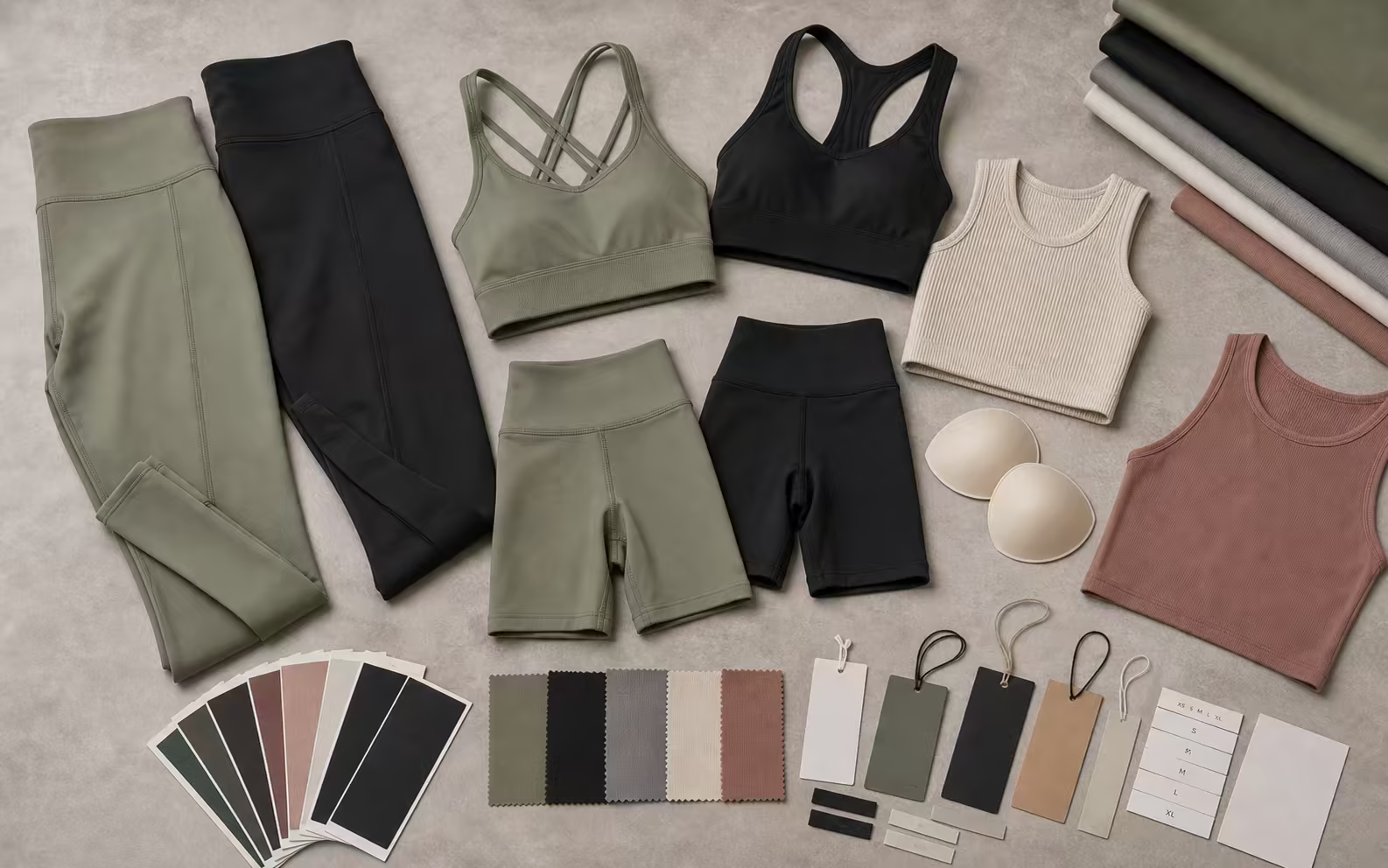
Startup and pilot-order planning
A workable low MOQ sportswear order is built around a focused product list, available material routes, repeatable branding, simple packaging, and a clear style-color-size split. GloryStarWear reviews each component before confirming the project minimum instead of advertising one number for every product.
Direct answer
Low MOQ custom sportswear means planning a smaller first order around a workable combination of garment style, fabric, color, branding, labels, packaging, and size allocation. It does not mean one universal minimum: an available-style logo order can follow a different production route from an original pattern, custom-dyed fabric, or multi-color private label collection.
To receive a meaningful MOQ review, send the product list, total quantity and style-color-size split, reference files, customization scope, packaging, destination, and decisions that may use available alternatives.
Choose the right route
The lowest-risk route depends on how much of the garment, material, branding, and packaging must be unique.
Start from proven styles and available fabrics, then add logo application, labels, hangtags, color choices, and straightforward packaging.
Limit the launch to a small number of coordinated products, shared materials, controlled colors, and one consistent brand system.
Plan jerseys, shorts, socks, names, numbers, sponsor marks, roster data, and player packing as one repeatable order structure.
Use a tech pack, custom pattern, defined fabric, fit target, trims, artwork, labels, and sample approvals when the product must be original.
Route comparison
More custom development creates more component minimums and approval steps. The goal is to preserve the details buyers value while removing avoidable complexity.
| Route | Best fit | Main minimum drivers | Approval focus |
|---|---|---|---|
| Light custom | Startup testing a branded product with fewer original construction changes. | Available style, fabric color, logo method, label, and packaging component. | Logo size and position, color, label content, packing, and final appearance. |
| Focused capsule | Private label brand launching a coordinated activewear, gym wear, or athleisure range. | Shared fabric, colorway count, style count, trims, branding, and size allocation. | Fit consistency, fabric behavior, color matching, brand details, and SKU plan. |
| Team or event | Club, school, league, gym, race, or distributor with personalized garments. | Artwork setup, roster quantity, size split, names, numbers, socks, and player packs. | Roster proof, artwork, garment sizing, personalization, sorting, and carton allocation. |
| Full custom | Brand requiring an original pattern, construction, material, fit, and trim system. | Fabric development, dyeing, knitting, custom trims, patterns, samples, and testing. | Tech pack, fit sample, size set, artwork strike-off, pre-production sample, and bulk file. |
What sets the real minimum?
Confirm each driver before treating a total quantity as workable.
Every additional pattern, construction, and sample route divides the order and adds setup work.
Choose the product scopeAvailable fabric, custom dyeing, special knit, color matching, width, yield, and supplier lots can set different minimums.
Review fabric planningHeat transfer, screen print, embroidery, sublimation, woven patches, molded badges, and custom elastic use different setups.
Compare branding routesCare labels, neck labels, hangtags, barcode stickers, polybags, inserts, boxes, and cartons have their own supplier requirements.
Plan labels and packagingA broad size range can leave too few units in each size, style, or color for stable cutting and production planning.
Review size gradingPerformance targets, recycled claims, colorfastness, shrinkage, pilling, opacity, and destination rules affect material selection and evidence.
Review compliance planningLower-risk first order
A smaller launch still needs a defined reference, sample approval, measurement checks, artwork confirmation, label proof, packing rules, and a written bulk handoff.
Quote preparation
A clear brief makes it easier to compare an available-material route with a full custom route without hiding the tradeoffs. Use the custom sportswear cost and lead-time guide to document the product, material, development, packaging, and delivery variables that affect commercial planning.
List the products, buyer market, target customer, intended use, delivery country, and required arrival window.
Provide total quantity plus the planned breakdown by style, color, size, gender, team, or player.
Send reference images or tech packs, logo artwork, placement sizes, labels, hangtags, and packaging requirements.
State which fabrics, colors, trims, decoration methods, or packaging components may use available alternatives.
Agree which prototype, fit, artwork, label, packaging, and pre-production approvals are required before bulk work.
Approval evidence
Lower quantity changes the commercial route, but it should not remove the sample, material, artwork, measurement, label, packing, and release records needed to reproduce the approved result.
Connect the focused range and MOQ assumptions to development route, commercial boundaries, product specifications, sample evidence, delivery, and reorders.
Build a first activewear collection planIdentify the approved revision, material, measurements, construction, artwork, labels, packing, comments, and bulk sign-off.
Use the sample approval checklistSeparate available fabric from custom material requirements and record construction, GSM, stretch, recovery, opacity, color, and approval evidence.
Define the fabric briefApprove the exact logo method, label content, hangtag, barcode, polybag, size sticker, carton mark, and substitute rules.
Plan labels and packagingKeep the inspection instruction, defects, evidence, corrective actions, and shipment decision proportional to the order risk.
Review the inspection briefReconcile identity, operating scope, product fit, material control, quote assumptions, and open risks before a smaller first order becomes a pilot.
Compare suppliers consistentlyFAQ
No. The workable minimum depends on the product, fabric, color, construction, branding method, labels, packaging, size split, and any testing or delivery requirement. The order must be reviewed before a minimum is confirmed.
Yes, when a suitable proven style and available material route can support the brief. Buyers can then define logo application, labels, hangtags, color choices, packing, and sample approval before production.
It may be possible for some projects, but original patterns, custom fabrics, dyeing, special trims, multiple colorways, testing, and complex packaging can each create a separate minimum or setup cost.
Send the product list, reference images or tech packs, total quantity, style-color-size split, fabric direction, logo files, label and packaging plan, delivery market, timeline, and a list of flexible choices.
Focus the product range, share materials and trims where appropriate, reduce color and decoration complexity, use clear artwork, keep packaging practical, and complete sample approvals before bulk production.
Send the product references, quantity split, logo files, fabric direction, packaging needs, delivery country, and timeline. We will identify which component sets the minimum.