Best for
Activewear brands, yoga studios, gym merchandise programs, ecommerce sellers, boutique labels, distributors, and wellness brands planning repeatable collections.
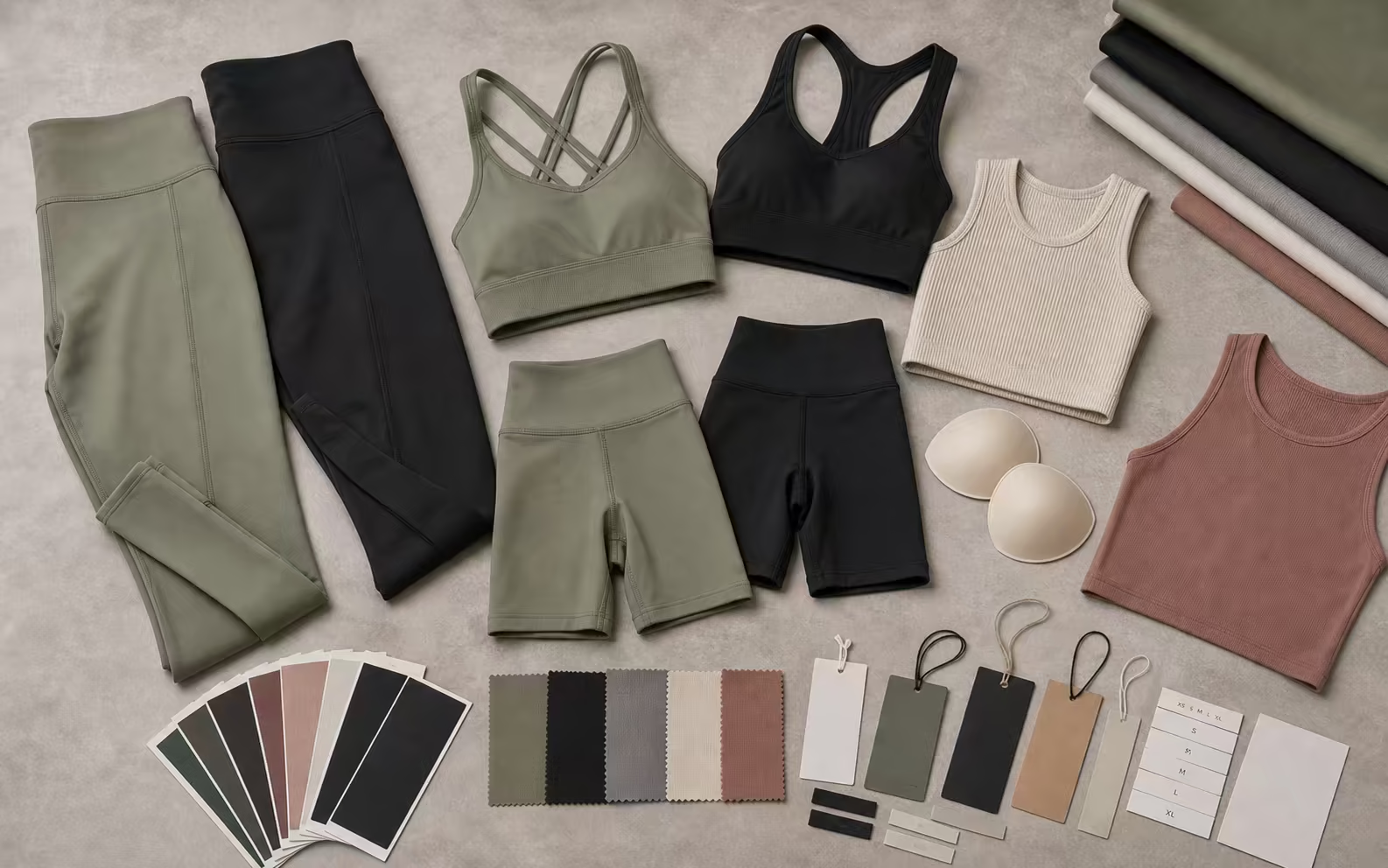
OEM and ODM activewear supplier
Compare OEM, ODM, and light-custom routes for leggings, sports bras, yoga wear, gym clothing, seamless sets, labels, trims, and branded packaging—then turn the chosen route into a sample-ready collection brief.
Direct answer
A private label activewear manufacturer helps brands produce apparel under their own label, including product development, fabric selection, sampling, logo application, size grading, bulk production, quality control, and packaging.
Activewear brands, yoga studios, gym merchandise programs, ecommerce sellers, boutique labels, distributors, and wellness brands planning repeatable collections.
Leggings, sports bras, seamless activewear, plus size activewear, crop tops, tanks, biker shorts, gym tees, compression layers, hoodies, joggers, tracksuits, and matching training sets.
Heat transfer logo, embroidery, woven labels, care labels, hangtags, fabric colors, trims, waistband details, removable pads, and retail packaging.
Send reference images, target quantity, size range, logo files, market, fabric direction, color direction, packaging needs, and delivery country.
Start with a controlled first collection
Start with one customer, one use case, and a focused product system—not a long list of disconnected styles. Define what is proven, what must be customized, and what evidence must exist before the first bulk order is released.
Name the market, wearer, activity, price position, climate, sales channel, and problem the collection is intended to solve. These choices guide fit, fabric, coverage, support, care, packaging, and claim evidence.
Select a small set of products with distinct roles, such as a core legging, matching sports bra, training top, and one layer. Record which colors, materials, trims, and packaging components are shared so SKU growth is visible.
Use light custom when an existing garment is suitable and the main changes are branding or color. Use ODM when references need fit, fabric, construction, or detail development. Use OEM when the brand already controls a complete tech pack and approval references.
Give every style a code, revision, target measurements, size range, material behavior, construction details, artwork, labels, packaging, target quantity, and open-question owner. Use the free sportswear tech pack template for the production specification.
Review the physical fabric and color, actual garment measurements, fit and movement, opacity or support where relevant, decoration, label copy, care route, and packed presentation. Keep decisions tied to the exact sample and file revision.
Before bulk production, record the approved sample, material and color references, artwork and label files, packing rules, inspection criteria, accepted deviations, and reorder conditions. A launch is easier to repeat when these references remain traceable.
Product scope
Each board can become a sample request, a seasonal launch, or a reorder program with coordinated fabric, color, labels, packaging, and carton rules.
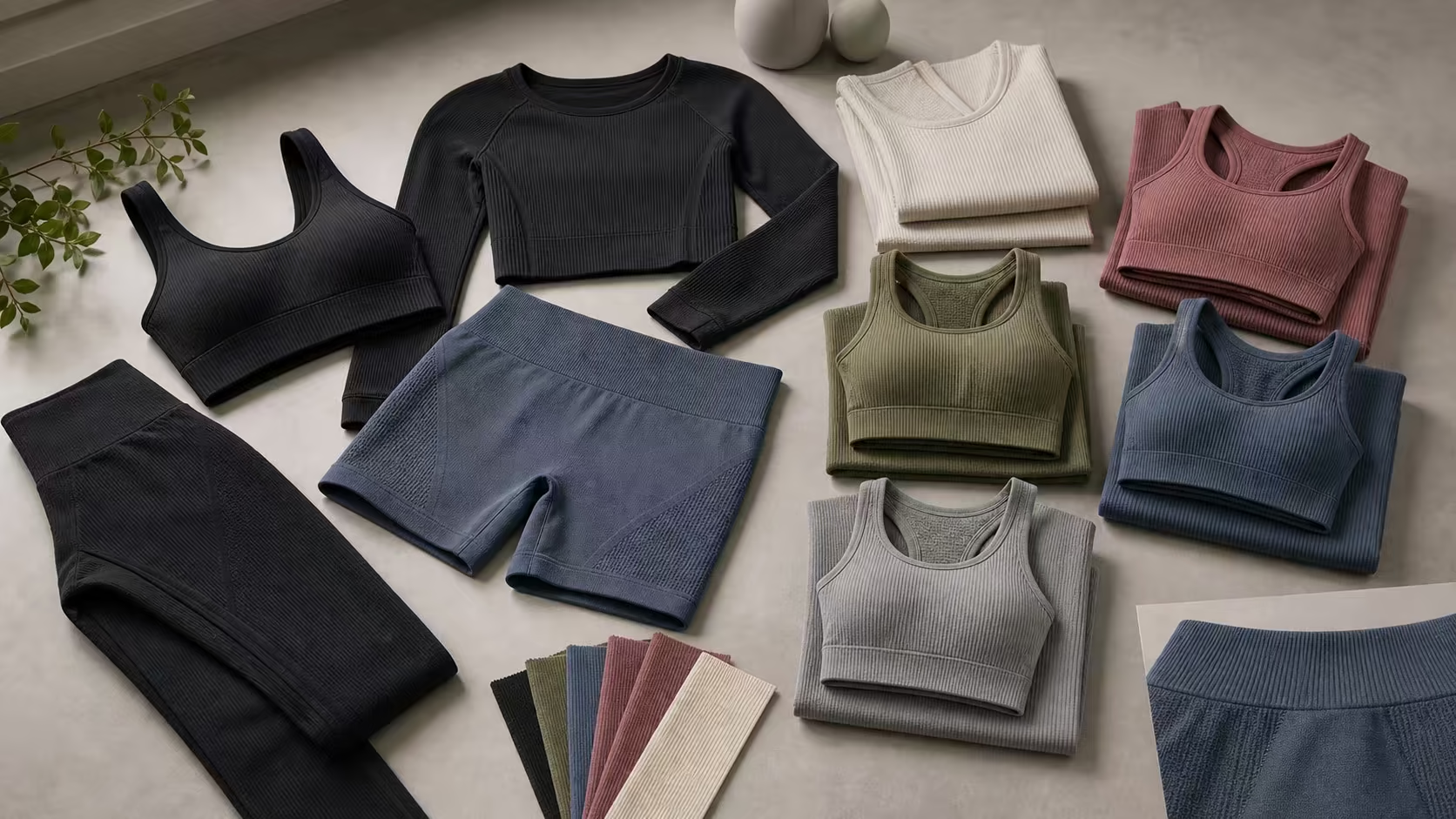
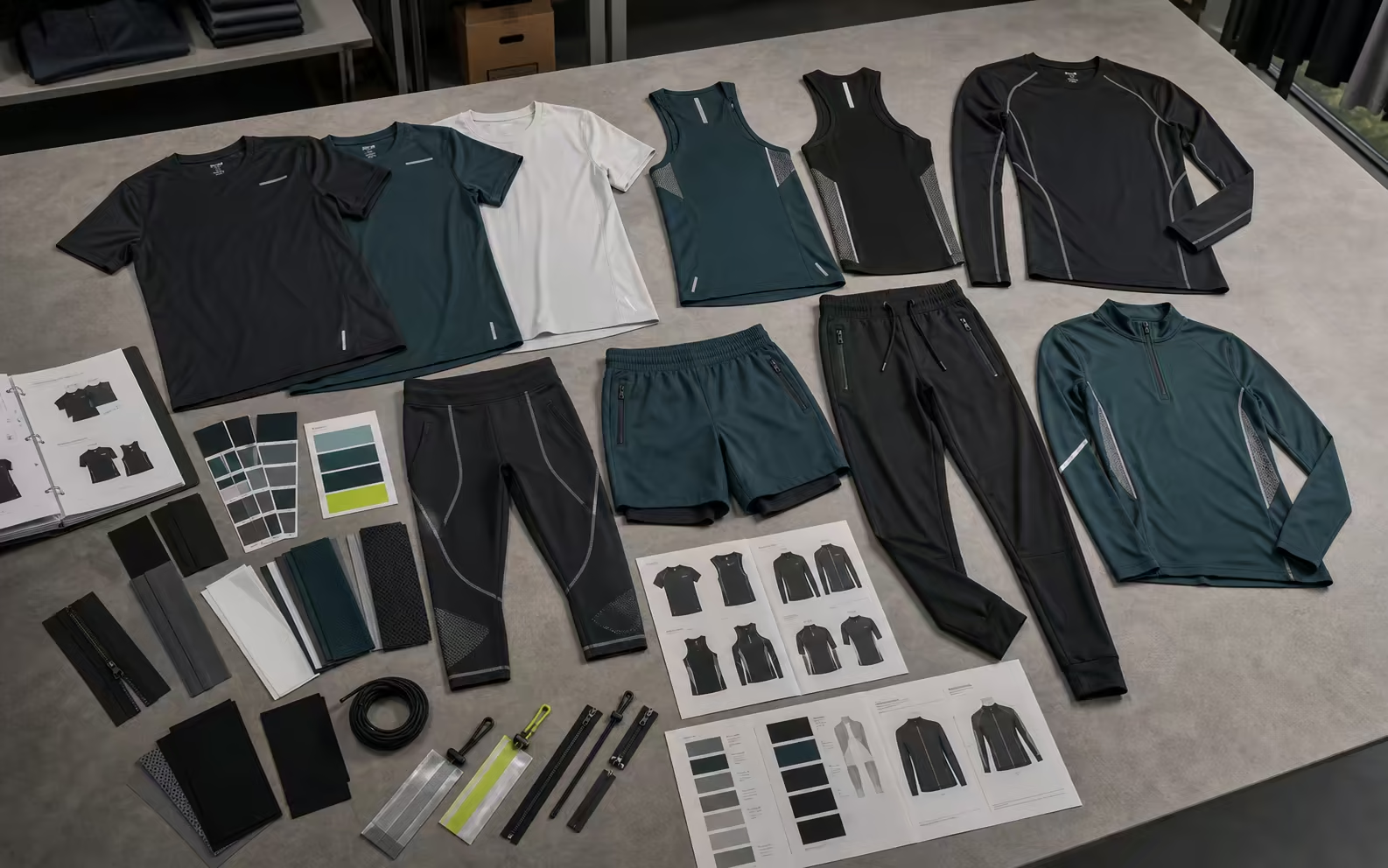

Manufacturing route
The right route depends on how original the fit, fabric, and brand details need to be.
Use proven silhouettes and customize logo, color, labels, hangtags, size stickers, and packaging.
Refine product mix, fabric handfeel, compression, trims, waistband, strap shape, and color story from references.
Produce from your tech pack, measurement chart, grading, artwork, label files, and packing instructions.
Add polybags, boxes, hangtags, barcode labels, thank-you cards, carton marks, and SKU sorting.
Collection control
Organize the range at collection level first, then hand each product its own fit, material, artwork, and approval file.
| Collection decision | What the brief should state | Next resource |
|---|---|---|
| Collection architecture | Core styles, supporting layers, add-ons, target customer, intended activity, and which items launch together. | Plan a coordinated yoga collection |
| Fit and size system | Base fit, product-specific measurements, size range, grade rules, coverage or support goals, and size-set approval. | Plan fit and size grading |
| Material behavior | Construction, handfeel, stretch, recovery, opacity, compression, color reference, intended use, and approval method. | Define fabric requirements |
| Seam and stitch system | Garment area, function, material assembly, seam type, stitch reference, thread, needle, density method, reinforcement, sample evidence, and bulk check. | Specify activewear construction |
| Brand and packaging system | Logo files, label versions, target market, fiber and origin inputs, care evidence, hangtags, SKU names, barcodes, packaging, size stickers, and carton rules. | Plan U.S. clothing-label decisions |
| Sample and approval control | Responsible approver, reference sample, revision record, measurements, artwork, material, labels, and bulk handoff file. | Review sampling and approval stages |
Free activewear planning CSV
The 49-field planner connects each style's commercial role with its development route, customer and use, fit block, grading, fabric behavior, color, construction, branding, packaging, quantity assumptions, sample evidence, release status, and reorder rule. Delete the clearly marked illustrative row before entering a real project.
Prepare the collection brief
Send the style list, intended use, size range, fabric references, logo files, and packaging needs. We can identify the decisions that must be closed before samples are compared.
Continue by buyer task
Choose the garment, fit-development, or production topic that matches the next decision in your activewear brief.
Control the range, development route, quantities, cost boundaries, materials, fit, construction, samples, quality, delivery, and reorders.
Use the first collection checklistDefine the roles of leggings, sports bras, tops, shorts, layers, shared colors, materials, labels, and packaging.
Plan a yoga and studio collectionSeparate proven white label styles, private label changes, training essentials, lifestyle layers, accessories, bundles, and repeat SKUs.
Compare private and white label gym clothingCompare knit structures, compression zones, stretch recovery, color groups, size range, labels, and sample approvals.
Review seamless developmentConnect base-size fit, grade rules, coverage and support targets, representative fittings, labels, and SKU control.
Review plus-size activewear planningCompare light custom, focused capsule, team, and full custom routes before choosing styles, colors, components, and packaging.
Compare lower-risk first-order routesRecord measurements, material, artwork, labels, packaging, revision comments, and the approved reference for bulk production.
Review sampling and approval stagesSeparate fiber content, country of origin, responsible-business identity or RN, care evidence, label artwork, placement, and physical approval before production.
Review the U.S. clothing label checklistBulk approval evidence
An activewear approval is stronger when the visible sample is connected to its fabric identity, measurements, grade rules, artwork, labels, packaging, revision history, and named bulk reference.
Record construction, composition, GSM, stretch, recovery, opacity, compression target, color reference, intended use, and approval method.
Use the fabric specification guideWhen GRS is relevant, separate the supplier scope, exact transaction, chain of custody, order records, claim approval, authentication, validity, and any substitution.
Verify GRS evidenceSeparate base-size fit from grade rules, product-specific measurements, tolerances, coverage goals, and representative size-set checks.
Build the size approval fileConnect every comment to the correct sample, material, measurement, artwork, label, packaging reference, and responsible approver.
Review sample approvalDefine the lot, inspection instruction, defect classes, sportswear checks, evidence, corrective actions, and release decision before final packing.
Prepare the inspection briefVerify business and payment identity, activewear category fit, material control, sample workflow, document scope, and commercial assumptions.
Use the supplier scorecardBuyer FAQ
Yes. GloryStarWear can produce activewear with your logo, labels, hangtags, packaging, colors, fabric direction, and product specifications.
Common products include leggings, sports bras, crop tops, tanks, biker shorts, gym tees, compression layers, hoodies, joggers, tracksuits, and matching sets.
Yes. You can start from reference images, target fabric, size range, logo files, quantity, and packaging needs. We can help organize the sample direction.
Yes. We support woven labels, care labels, neck labels, hangtags, size stickers, barcode labels, polybags, boxes, and carton labels.
OEM follows your existing tech pack and artwork. ODM starts from references and development goals, then helps shape product mix, fabric, fit, trims, and packaging.
Include the collection goal, target market and customer, product roles, development route, style list, quantities, fit and size system, fabric behavior, colors, branding, labels, packaging, sample approval plan, launch priority, and any assumptions that still need supplier confirmation.
Send your references, logo files, product list, target quantity, size range, fabric preference, and packaging requirements.