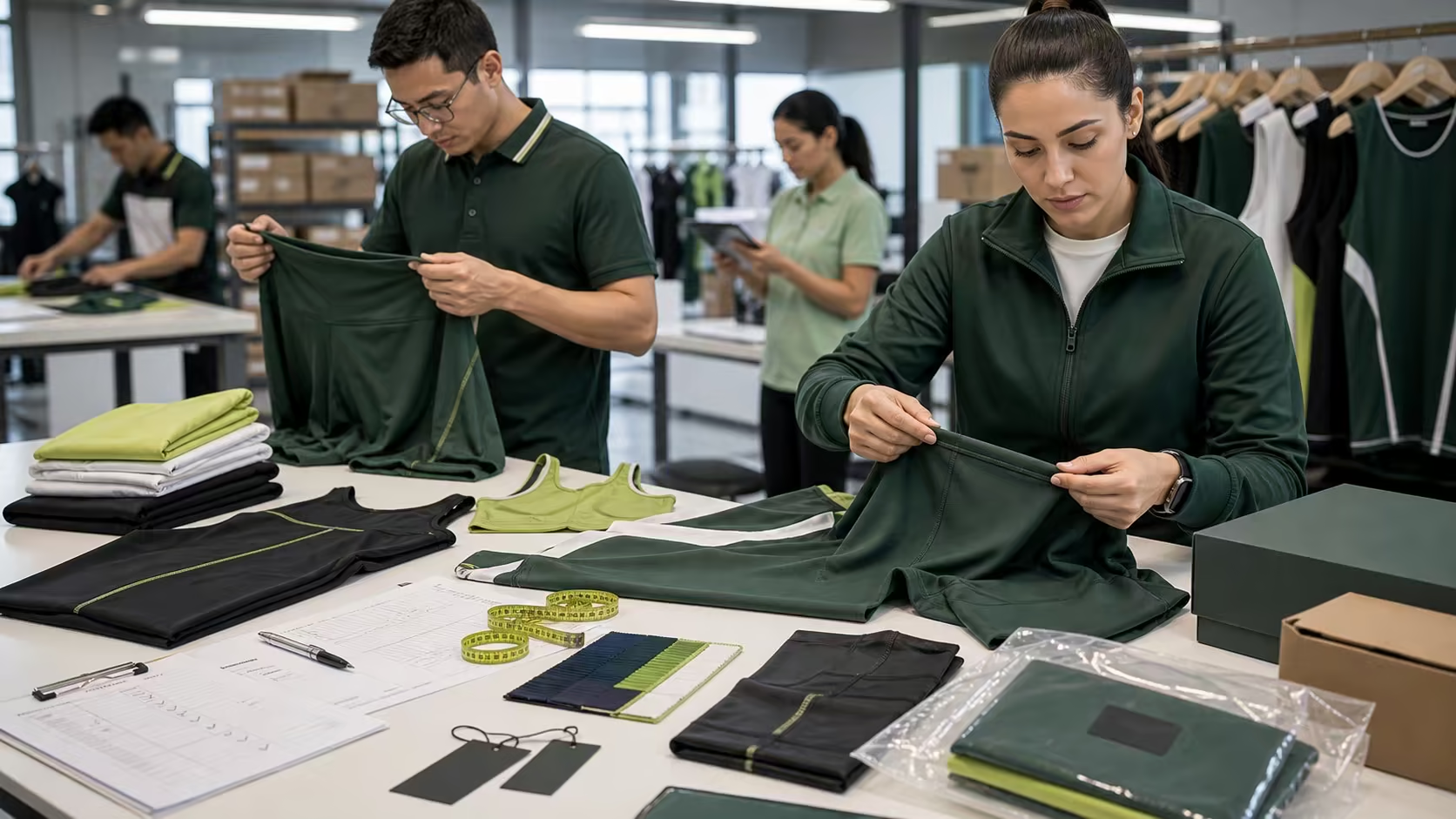
Bulk production reference control
How to Prevent Sample-to-Bulk Drift in Clothing Production
Keep the approved garment connected to bulk materials, measurements, construction, artwork, labels, packing, production checks, deviations, and release evidence.
Direct answer
An approved sample needs a controlled path into production
Seal the physical sample and release one matching reference package: style and order identity, tech pack, material and color references, measurement methods and tolerances, artwork, labels, packaging, approved changes, and decision owners. Reconcile bulk inputs before production, compare the first output, inspect units during production across relevant lines, times, colors, and sizes, then apply the agreed finished-lot inspection and release plan.
If a mismatch appears, hold and identify the affected scope, preserve evidence, compare it with the named reference, quantify the variation, and record an authorized sort, repair, rework, remake, concession, rejection, reinspection, or release decision. No sealed sample, photograph, video call, or single inspection can guarantee that every bulk garment matches.
Reference package
Define what “match the approved sample” actually means
The garment is only one part of the reference. Production and inspection need the files, methods, limits, and current approved exceptions that explain it.
| Control area | Reference to release | Bulk identity to trace |
|---|---|---|
| Product and order | Style or SKU, order, colorway, size or roster scope, quantity breakdown, destination, and current revision status. | Production order, facility, line, time window, cut bundle, lot, finished quantity, SKU, and carton allocation. |
| Material and color | Coded fabric and trim specifications, approved swatch or sample, lab dip or strike-off where used, comparison conditions, and substitution rule. | Supplier, roll, dye lot, print batch, trim batch, material receipt, issue, and any approved change. |
| Measurements and fit | Points of measure, diagrams, methods, base values, grade rules, tolerances, size-set evidence, and sealed garment. | Measured unit ID, labeled size, actual values, method, equipment, condition, exception, and distribution across the lot. |
| Construction | Pattern or technical revision, seam and stitch instructions, reinforcement, panel alignment, workmanship standard, and approved internal finish. | Operation, operator or line where relevant, first output, in-line unit, repeated defect pattern, repair, and verification. |
| Decoration | Production artwork, dimensions, placement, colors, method, source rights, proof, strike-off, and physical approval. | Artwork revision, setup, screen or program, production batch, placement measurements, appearance, adhesion or agreed performance record. |
| Labels and packing | Approved label copy, fiber, care, origin, size, barcode and variable data, fold, individual pack, assortment, carton, and packed sample. | Printed version, SKU mapping, scan result where required, pack station, carton, count, destination, and released exception. |
Four production gates
Check early enough to contain a deviation
A final inspection can identify a finished-lot problem, but it cannot recover the time and material already consumed. The gates answer different questions.
| Gate | Question | Evidence | Decision |
|---|---|---|---|
| Bulk input reconciliation | Are the actual fabric, trims, color, artwork, labels, quantities, files, and approved changes the same inputs that production is authorized to use? | Material and component lot IDs, receipt checks, released revisions, availability, substitutions, and pre-production record. | Release inputs, hold, replace, resample, test, or obtain a documented change approval. |
| First production output | Does the real production method create the intended measurements, construction, appearance, function, and identity? | Identified first units, comparison with sealed reference and files, measured results, photos, issues, correction, and restart approval. | Continue, correct the process, hold the line or operation, or produce a new first-output reference. |
| In-line control | Is the process staying within the approved requirements across time, operators, lines, rolls, colors, and representative sizes? | Distributed unit selection, measurement results, repeated defect patterns, lot or bundle traceability, action, and verification. | Continue, contain affected work, expand checks, repair, retrain, adjust, or stop until the action is verified. |
| Finished-lot release | Does the completed lot meet the buyer-defined inspection, acceptance, packing, evidence, and shipment rules? | Defined lot and unit, sampling plan, defect classes, selected units, results, corrective action, reinspection, approval, and shipment status. | Accept, hold, sort, rework, remake, reject, accept an authorized concession, or reinspect under the agreed plan. |
Eight-step workflow
Turn sample approval into a traceable bulk release
- 1
Seal the sample and identify both counterparts
Give the approved physical garment a stable sample ID, style, color, size, revision, approval date, approver, photographs, condition, storage location, and supplier or buyer counterpart. State whether it is a fit sample, pre-production sample, packed sample, or another reference.
- 2
Freeze the matching document set
Release one dated package covering measurements, material codes, construction, artwork, labels, packaging, quality rules, order breakdown, and changes. Withdraw conflicting files from active use and require the supplier to acknowledge the current revision.
- 3
Define comparison methods before results exist
Name measurement methods, tolerances, viewing or conditioning requirements, functional checks, defect definitions, sampling approach, evidence, escalation rules, and decision authority. A limit invented after a mismatch cannot reliably control the order.
- 4
Reconcile the real bulk inputs
Connect fabric rolls, dye or print lots, trims, threads, artwork setup, labels, packaging, roster or SKU data, and planned quantities to the approved package. Keep every proposed substitute or unavailable component open until an authorized decision is recorded.
- 5
Approve identified first production units
Check units made with the actual bulk input and production route. Compare the named measurements, seams, construction, artwork, color, labels, function, and packing. Record corrections and verify the next output before allowing the result to become the production reference.
- 6
Inspect across the running process
Select units across relevant times, bundles, operators, lines, rolls, colors, sizes, personalization routes, and pack stations. Trace a repeated problem back to the affected scope instead of treating every unit as identical or every issue as isolated.
- 7
Apply the finished-lot decision plan
Use the agreed lot, unit, sampling method, defect classes, acceptance rules, references, and evidence. Keep sampled inspection distinct from checks required for every unit, qualified testing, compliance review, and process control.
- 8
Close deviations before shipment
Identify held units and lots, record the observed difference without guessing the cause, confirm affected quantity, approve disposition, verify corrective work, update the retained evidence, and name who releases the order. Carry verified lessons into the next specification and control plan.
When bulk does not match
Separate containment, scope, disposition, and recurrence control
A fast commercial answer still needs a traceable technical record. Do not mix unknown, held, reworked, and accepted units.
| Decision layer | Record | Common error to avoid |
|---|---|---|
| Containment | Stop or hold point, physical segregation, affected facility, line, lot, roll, time, style, color, size, SKU, carton, and owner. | Continuing production or shipment while the affected scope remains unknown. |
| Comparison | Reference sample and file revisions, actual unit IDs, method, measured or observed result, conditions, photographs, and retained specimens. | Relying only on “looks wrong,” a supplier-selected photo, or an untraceable sample. |
| Scope | Available quantity, selected units, distribution of results, repeated pattern, adjacent lots, expanded checks, and limits of what was inspected. | Assuming one failed unit proves the entire lot, or one passed unit clears it. |
| Disposition | Authorized accept, concession, sort, repair, rework, remake, reject, regrade, relabel, reinspection, commercial action, and destination restrictions. | Using repaired or nonconforming units without identity, verification, and approval. |
| Corrective action | Verified cause where known, process or input action, owner, due date, restart criteria, verification result, and next-order prevention. | Recording an assumed cause as fact or closing the issue when only the immediate symptom changed. |
Free worksheet
Download the sample-to-bulk quality control checklist
The CSV connects the order, style, color, size scope, production lot, sealed sample, file revisions, bulk material identity, comparison method, unit selection, results, deviation, containment, disposition, corrective action, evidence, owner, and release status.
- Delete the instructions and illustrative example before using the file for a live order.
- Create separate rows when the stage, facility, line, lot, material batch, style, color, size scope, reference, deviation, or decision changes.
- Attach controlled evidence rather than pasting unsupported conclusions into the notes field.
- The worksheet does not inspect every unit, guarantee conformity, set a universal AQL, decide legal liability, or replace qualified testing, current specifications, an agreed inspection plan, contracts, or destination-market review.
Sources and method
Discussion identifies the failure pattern; controlled evidence decides the order
Recent Reddit discussions informed the problem language in this article: a July 2026 clothing-startup discussion explicitly identifies sample-to-bulk drift, material shade variation, production timing, and in-line checks; a February 2026 bulk-quality discussion describes an approved sample followed by unacceptable production; and a May 2026 bulk-material discussion shows why subjective handfeel language needs material identity and measurable comparison. Reddit is used for question discovery, not proof of a cause, supplier blame, defect rate, legal remedy, or universal control plan.
For lot-by-lot acceptance sampling, the current official overview is ISO 2859-1:2026; buyers must name the chosen standard, edition, plan, lot, unit, defect classes, and decision rule rather than treating “AQL” as a generic defect percentage. ISO 3759:2011 addresses preparation, marking, and measurement for dimensional-change tests, while ISO 5077:2007 addresses determining dimensional change after specified washing and drying procedures. For U.S. clothing label context, review the current FTC Clothing and Textiles guidance. These overview pages do not select a project method, approve a product, or replace purchased standards, qualified laboratories, contractual advice, or current market-specific requirements.
Continue the workflow
Keep each quality task on the page that owns it
FAQ
Clothing sample-to-bulk quality questions
Why can bulk clothing differ from an approved sample?
A difference can enter through material lots, substitutions, pattern or file revisions, measurement methods, cutting, sewing, decoration, labels, packing, production setup, process variation, or an unrecorded change. Do not assign a cause until the affected units, references, inputs, process records, and evidence have been compared.
Is a pre-production sample enough to guarantee bulk quality?
No. A pre-production sample can be a key reference, but it does not prove every bulk input, operation, unit, size, color, label, or pack. Connect it to input approval, first-production checks, in-line control, an agreed finished-lot inspection, deviation handling, and release evidence.
What should be checked on the first bulk production units?
Check the named product identity, bulk material and color references, measurements, construction, seams, artwork, decoration, labels, function, and packing that apply to the style. Record actual unit IDs, file revisions, methods, results, corrections, and restart approval.
Does AQL inspection prevent sample-to-bulk drift?
No. An agreed AQL sampling plan can support a decision about a finished lot, but it does not replace specification control, material approval, first-production checks, in-line process control, qualified testing, or corrective action.
What should a buyer do when bulk does not match the sample?
Hold and segregate the potentially affected scope, preserve identified evidence, compare units with the sealed reference and released files, quantify the variation under an agreed method, determine the affected lot, and obtain an authorized disposition and corrective-action decision before shipment or use.
Prepare the bulk reference
Send one controlled product package before production starts.
Include the style, order, approved sample, current files, material and color references, size scope, artwork, labels, packing, inspection plan, destination, and open changes.