Plan one-piece cycling skinsuits for road racing, time trial, track, club, event, brand, and private-label briefs with discipline-specific fit, construction, artwork, and rider approval records.
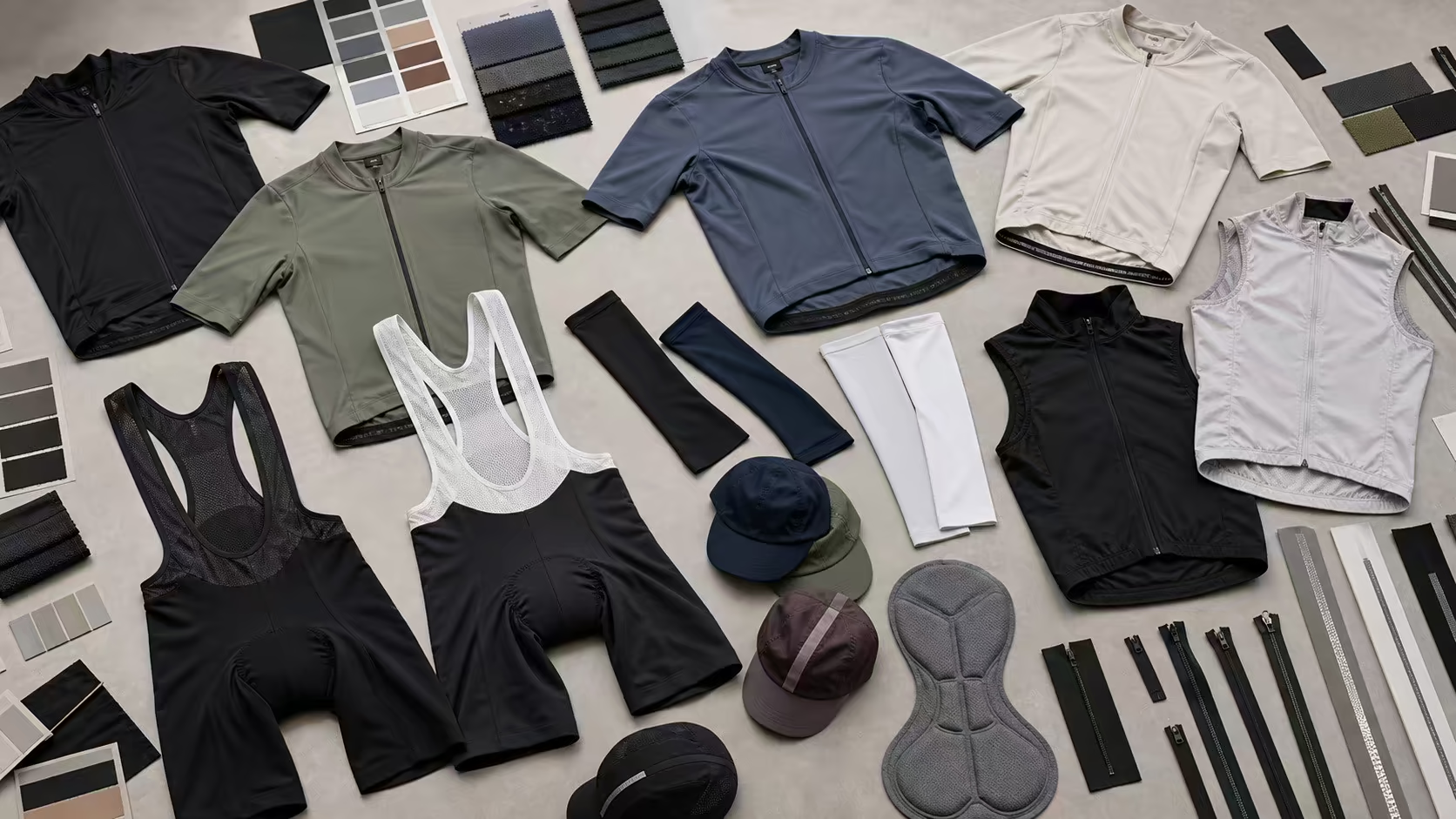
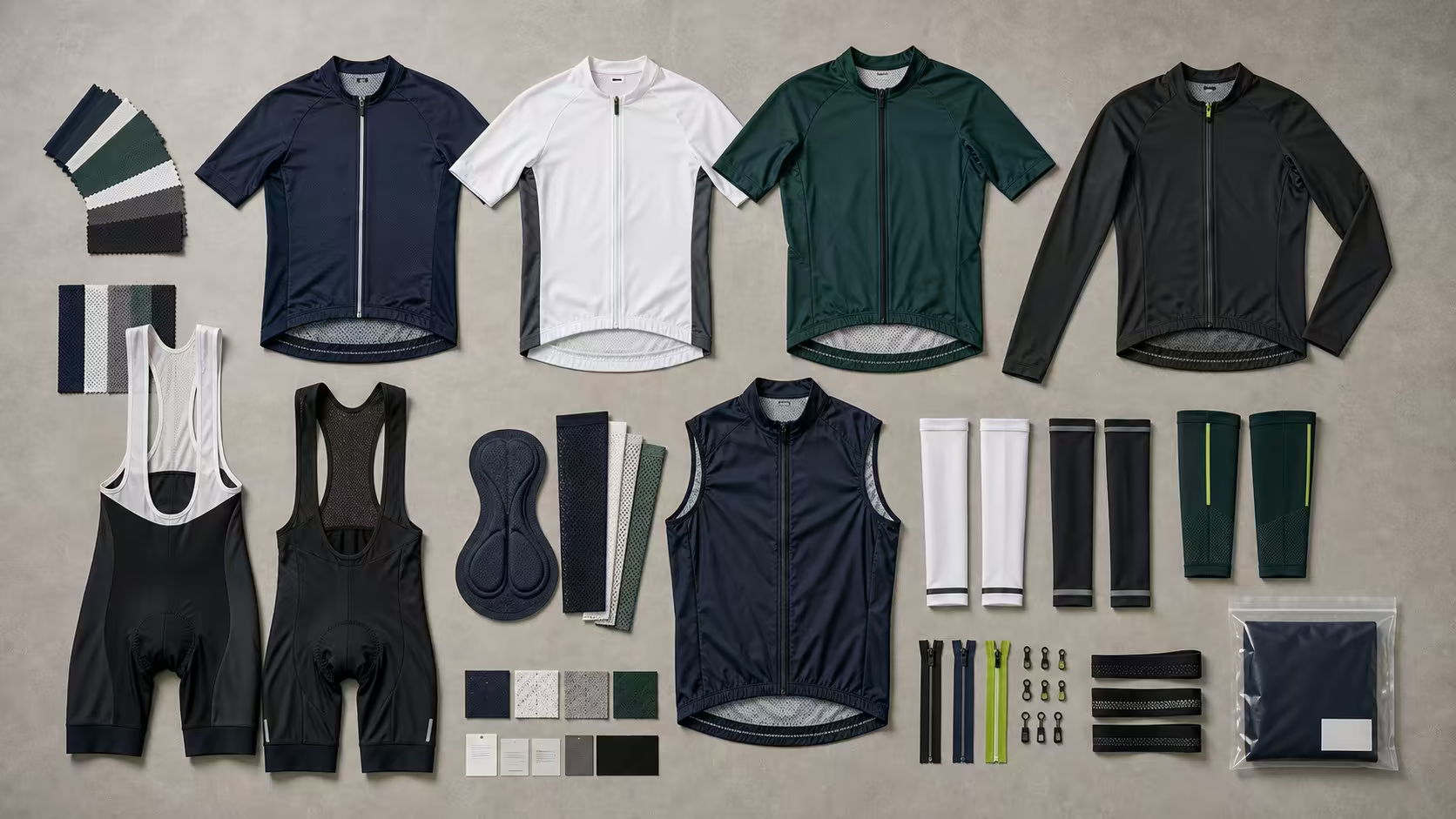
Image and page scope: every image on this page is an illustrative planning reference, not a photograph of available stock, current production, a customer order, or an approved specification. Product feasibility and commercial terms are confirmed against the submitted brief.
Content reviewed · Buyer-facing planning scope, not a fixed quotation.
Product directions
Define the exact custom cycling skinsuits range before sampling
Use this page only for one-piece cycling skinsuits. Keep collection, season, assortment, and fulfillment decisions on the cycling parent page, and keep separate jersey, bib-short, pocket, strap, and two-piece specifications on the jersey-and-bib page.
Range and silhouette planning
Short-sleeve and long-sleeve road skinsuit directions, time-trial suit directions, track skinsuit directions, team race suits, and requested padded or non-padded project variants.
Confirm torso girth and length, front-to-back balance in riding posture, shoulder and sleeve position, neckline, zipper length, waist and hip balance, rise, inseam, leg opening, compression direction, fit block, and rider size allocation.
Buyer and use context: cycling clubs, road and track teams, time-trial programs, event organizers, cycling brands, private labels, distributors, and teamwear dealers.
Material and construction review
Set target composition, weight, stretch and recovery, compression direction, airflow, opacity, surface, color, print route, and panel zoning on coded swatches; aerodynamic, cooling, compression, or moisture claims require an agreed test method.
Review one-piece panel map, shoulder and underarm joins, front or back zipper, zipper guard, waist transition, chamois or pad route, gusset, low-profile seams, sleeve and leg grippers, hems, pockets if requested, labels, and number-attachment zones.
Define road, time trial, track, training, or event use; race duration; riding position; torso and hip flexion; shoulder reach; saddle contact; climate; base layers; number attachment; and the on-bike positions used for sample approval.
Branding, order, and approval control
Control team identity, rider or country marks, sponsors, numbers, front, back, sleeve and leg graphics, size-dependent scaling, solid-color or clear zones, labels, and rider, team, event, or retail packing.
Quantity by discipline, suit construction, sleeve, padded or non-padded route, fit block, fabric and chamois code, colorway, rider size, artwork and sponsor version, packing group, destination country, and event date.
Approve an identified riding sample, garment measurements, riding-posture and movement notes, zipper and gripper review, chamois position if used, seam comfort, opacity and recovery, color and artwork, rider roster, current-rule review, packing record, and written release.
Sport-specific decision map
Control cycling-skinsuit discipline, riding fit, one-piece construction, and rule-sensitive artwork
A skinsuit is not a jersey-and-bib set joined only by artwork. The brief should name the cycling discipline, riding posture, one-piece fit balance, construction route, rider allocation, and current competition requirements.
01
Road, time trial, or track boundary
Name the discipline, event, rider level, race duration, riding position, sleeve direction, padded or non-padded brief, number attachment, weather conditions, and current governing documents. Do not transfer one fit, material, pocket, or artwork assumption across road, time trial, and track without project review.
02
Torso, hip, and riding-position balance
Review torso length and girth, front-to-back balance, shoulder, sleeve, neckline, waist transition, rise, hip, inseam, leg opening, and compression while the rider is in the intended position. Record restriction, pulling, wrinkles, gaping, pressure, opacity, and recovery by identified rider and sample size.
03
Zipper, chamois, seams, and grippers
Map zipper route and guard, panel joins, low-profile seams, gusset, chamois or pad position, saddle-contact areas, sleeve and leg grippers, labels, and hems. Review access, edge pressure, chafing, bunching, pad movement, gripper pressure, and seam behavior on the intended material and riding sample.
04
Sponsors, numbers, and rider allocation
Map team, country or rider identity, sponsor hierarchy, number and attachment zone, front, back, sleeve and leg artwork, clear areas, color contrast, and size-dependent scaling. Link the approved artwork to each rider, fit block, size, suit version, pack group, event, and current organizer instructions.
These short answers define what can be reviewed now, what the buyer should provide, and which terms still require project confirmation.
What should the custom cycling skinsuits brief define before sampling?
Use this page only for one-piece cycling skinsuits. Keep collection, season, assortment, and fulfillment decisions on the cycling parent page, and keep separate jersey, bib-short, pocket, strap, and two-piece specifications on the jersey-and-bib page. For the custom cycling skinsuits brief, a reference image alone is not an approved specification. Feasibility is confirmed only after the submitted project brief is reviewed.
Which movement and use conditions should be tested for custom cycling skinsuits?
Define road, time trial, track, training, or event use; race duration; riding position; torso and hip flexion; shoulder reach; saddle contact; climate; base layers; number attachment; and the on-bike positions used for sample approval. For the custom cycling skinsuits sample, record the intended wearer, test conditions, sample identity, observations, and acceptance decision; the planning notes on this page are not universal performance claims.
How are custom cycling skinsuits MOQ, samples, and lead time confirmed?
Confirm quantity by discipline, suit construction, sleeve, padded or non-padded route, fit block, fabric and chamois code, colorway, rider size, artwork and sponsor version, packing group, destination country, and event date. For custom cycling skinsuits, MOQ, sample cost, sample rounds, and lead time are then confirmed for that brief. No universal figure on this page is a quotation or production commitment.
What custom cycling skinsuits evidence should be checked before bulk release?
Approve an identified riding sample, garment measurements, riding-posture and movement notes, zipper and gripper review, chamois position if used, seam comfort, opacity and recovery, color and artwork, rider roster, current-rule review, packing record, and written release. Keep the approved custom cycling skinsuits evidence linked to the final specification, purchase order, and release decision.
Rules and verification
Official rules and buyer verification
These sources help identify questions for the brief; they do not prove that a proposed garment complies. The buyer must name the competition, market, season, and current rule set, then approve the final artwork, sample, and evidence.
Official reference
UCI Regulations
Use the current UCI regulations and the applicable discipline documents when a buyer requests competition-specific clothing, equipment, team identity, advertising, or event review; confirm the exact event and season.
UCI Cycling Regulations Part I General Organisation 2026
Use the current document as a buyer-side verification input for riders' clothing, one-piece skinsuits, team or national clothing, advertising, and approvals. A supplier sample or page does not establish UCI eligibility.