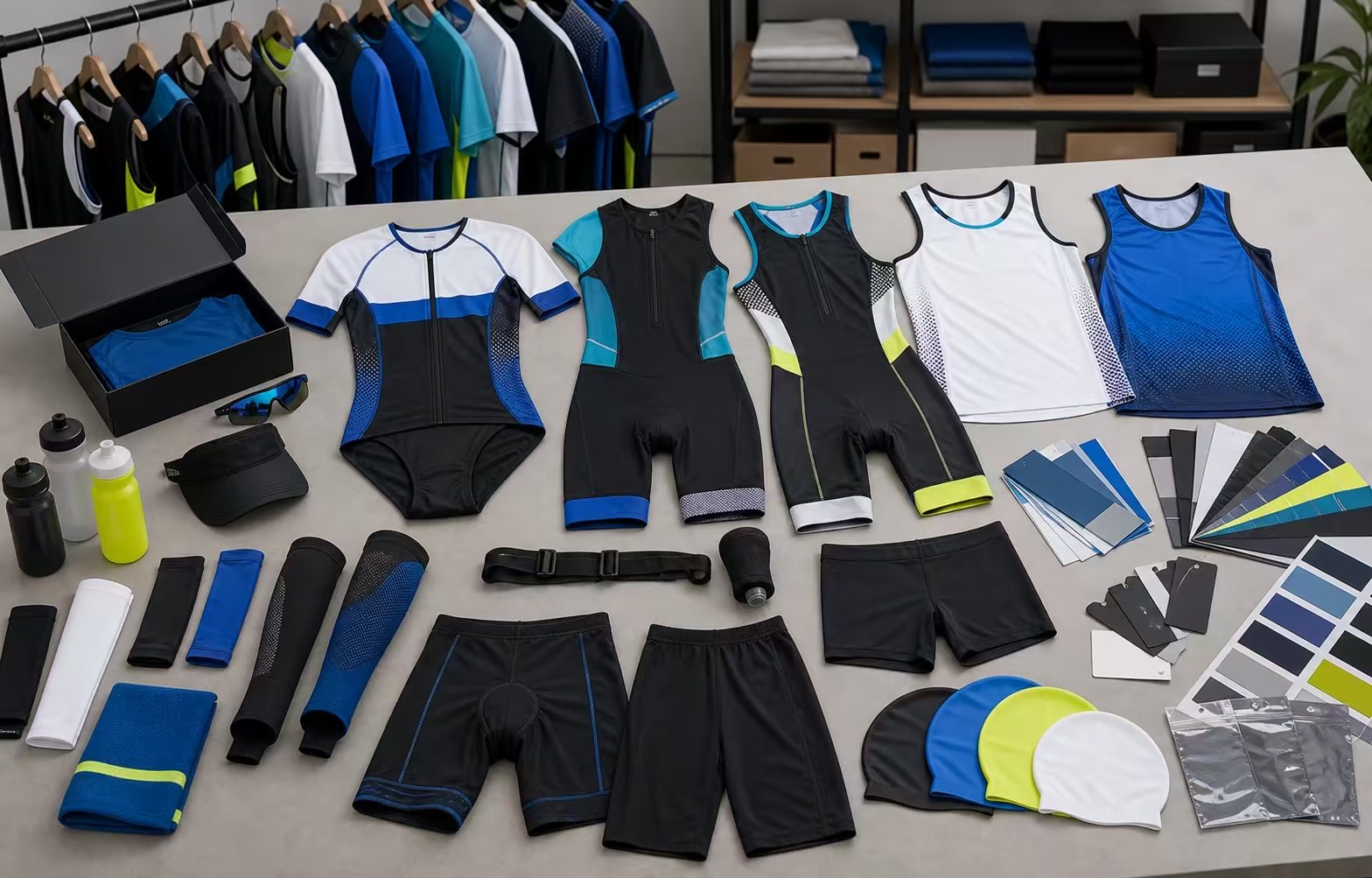
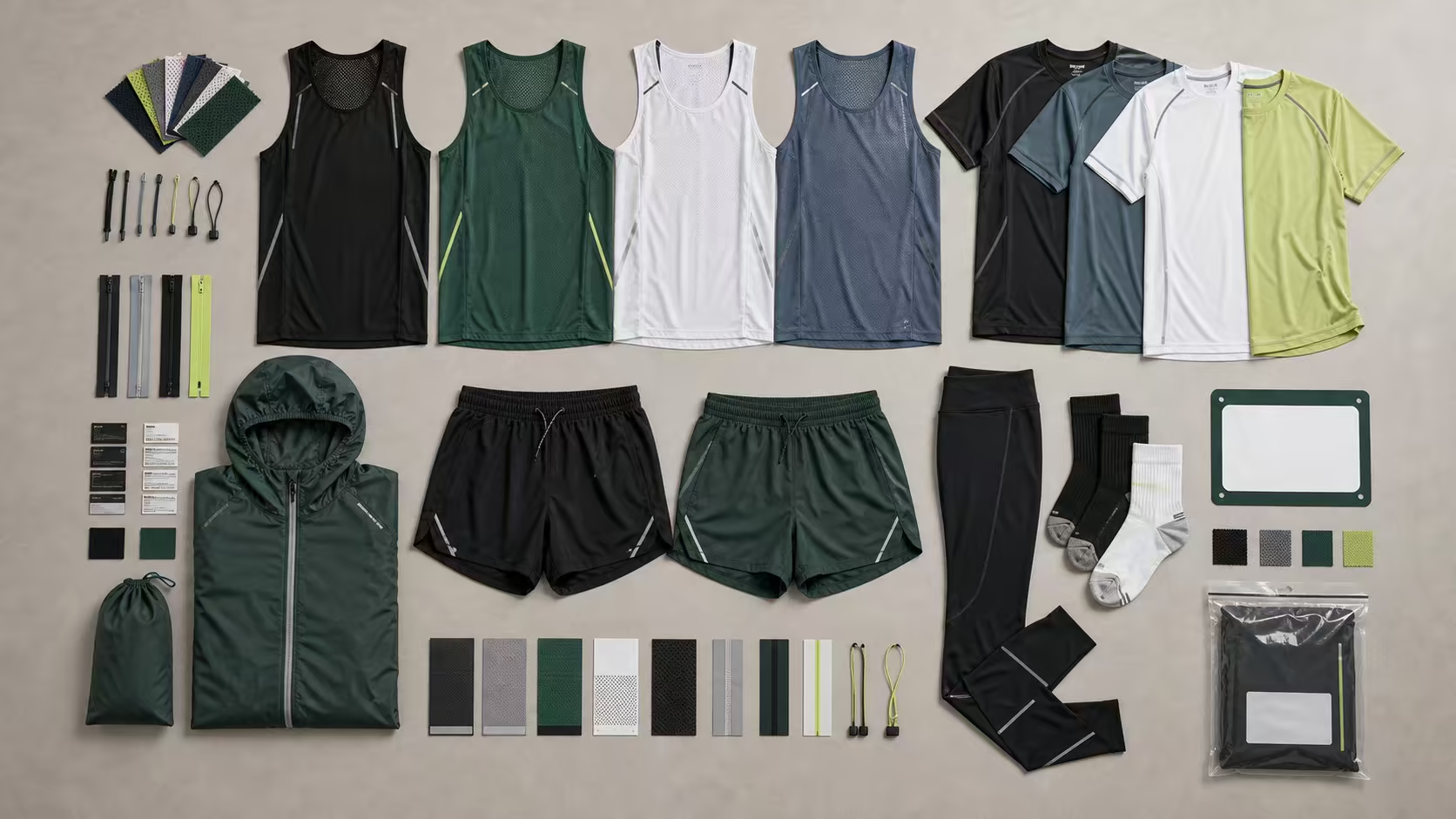
Build rowing unisuits, singlets, fitted shorts, base layers, splash jackets, warm-ups, and club merchandise for crews, schools, universities, regattas, and distributors.
Image and page scope: every image on this page is an illustrative planning reference, not a photograph of available stock, current production, a customer order, or an approved specification. Product feasibility and commercial terms are confirmed against the submitted brief.
Content reviewed · Buyer-facing planning scope, not a fixed quotation.
Product directions
Define the exact custom rowing uniforms range before sampling
Treat the race unisuit, training separates, weather layers, and off-water club kit as distinct products with their own posture, coverage, seam, stretch, artwork, and roster requirements.
Confirm torso length, armhole and neckline, leg opening, inseam, seat coverage, compression target, women's, men's, or unisex fit block, and the athlete size-allocation method.
Buyer and use context: rowing clubs, schools, universities, national or regional programs, regatta organizers, and teamwear distributors.
Material and construction review
Set target stretch and recovery, weight, opacity under flexion, moisture management, handfeel, color, and any weather-layer requirement on coded swatches.
Review flat or low-profile seams, gusset and panel shape, leg-gripper need, chafe-sensitive zones, reinforcement, zipper or pocket details, and contact points on the seat.
Define seated hip flexion, catch and drive posture, shoulder reach, repeated compression, heat, spray, seat contact, and training versus race conditions.
Branding, order, and approval control
Control club colors, crest, sponsor marks, athlete names, boat or crew identifiers, sublimated panels, labels, and regatta or individual athlete packing.
Quantity by race suit, training item, women's, men's, or unisex fit block, colorway, athlete size, personalization, crew allocation, delivery country, and regatta deadline.
Approve a coded wear sample in rowing posture, measurements, seam comfort notes, opacity and recovery checks, artwork placement, athlete roster, packing plan, and written bulk release.
Sport-specific decision map
Build the rowing brief around race posture, seat contact, layers, and regatta control
Rowing garments should be reviewed in the catch, drive, finish, and recovery positions rather than approved from a standing fit alone. Race and off-water pieces also need separate allocation records.
01
Unisuit torso and flexion balance
Confirm torso length, front and back neckline, armhole shape, seat coverage, inseam, leg opening, and compression while the athlete moves from catch to finish. A standing sample can hide shoulder restriction, neckline movement, back exposure, or leg opening pressure, so the approval record should name the posture and athlete size reviewed.
02
Seat contact and seam placement
Map panel joins, gusset, flat or low-profile seams, labels, grippers, zippers, and pockets against the rowing seat and repeated hip flexion. Record any chafe, pressure, seam bulk, fabric shine, opacity change, or recovery issue after the agreed wear period instead of treating a visual sample as comfort evidence.
03
Race, training, and weather-layer system
Separate the race unisuit from training singlets, fitted shorts, base layers, splash jackets, warm-ups, polos, and caps. Each item can require a different fit block, material, artwork area, personalization rule, packing unit, and deadline, even when every piece shares one club color and crest system.
04
Boat, crew, and regatta allocation
Structure the order by squad, boat class, athlete, garment, size, colorway, name, role, and spare quantity. Confirm whether items are packed by athlete, boat, crew, school, or regatta collection point, and preserve the approved roster plus product codes for late additions and future club reorders.
These short answers define what can be reviewed now, what the buyer should provide, and which terms still require project confirmation.
What should the custom rowing uniforms brief define before sampling?
Treat the race unisuit, training separates, weather layers, and off-water club kit as distinct products with their own posture, coverage, seam, stretch, artwork, and roster requirements. For the custom rowing uniforms brief, a reference image alone is not an approved specification. Feasibility is confirmed only after the submitted project brief is reviewed.
Which movement and use conditions should be tested for custom rowing uniforms?
Define seated hip flexion, catch and drive posture, shoulder reach, repeated compression, heat, spray, seat contact, and training versus race conditions. For the custom rowing uniforms sample, record the intended wearer, test conditions, sample identity, observations, and acceptance decision; the planning notes on this page are not universal performance claims.
How are custom rowing uniforms MOQ, samples, and lead time confirmed?
Confirm quantity by race suit, training item, women's, men's, or unisex fit block, colorway, athlete size, personalization, crew allocation, delivery country, and regatta deadline. For custom rowing uniforms, MOQ, sample cost, sample rounds, and lead time are then confirmed for that brief. No universal figure on this page is a quotation or production commitment.
What custom rowing uniforms evidence should be checked before bulk release?
Approve a coded wear sample in rowing posture, measurements, seam comfort notes, opacity and recovery checks, artwork placement, athlete roster, packing plan, and written bulk release. Keep the approved custom rowing uniforms evidence linked to the final specification, purchase order, and release decision.
Decision support
Continue from product idea to a controlled manufacturing brief
Compare the parent collection, material and quality requirements, then send one consolidated brief rather than separate untracked messages.
Endurance apparel parent range
Compare rowing requirements with triathlon, running, compression, and endurance-layer planning.
Send the race and training range, rowing posture references, size and fit blocks, club artwork, athlete roster, quantities, packing groups, country, and regatta date.