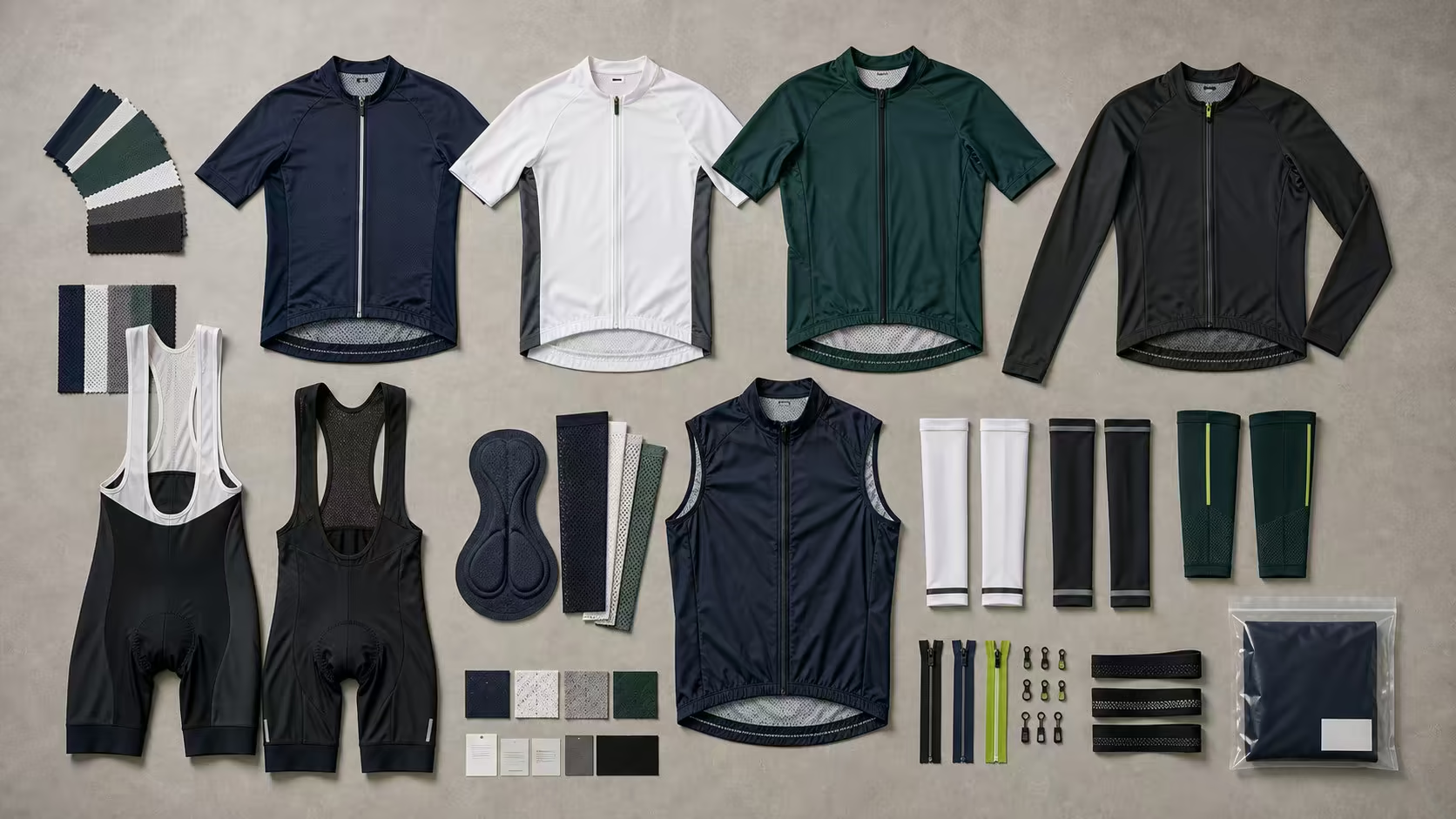
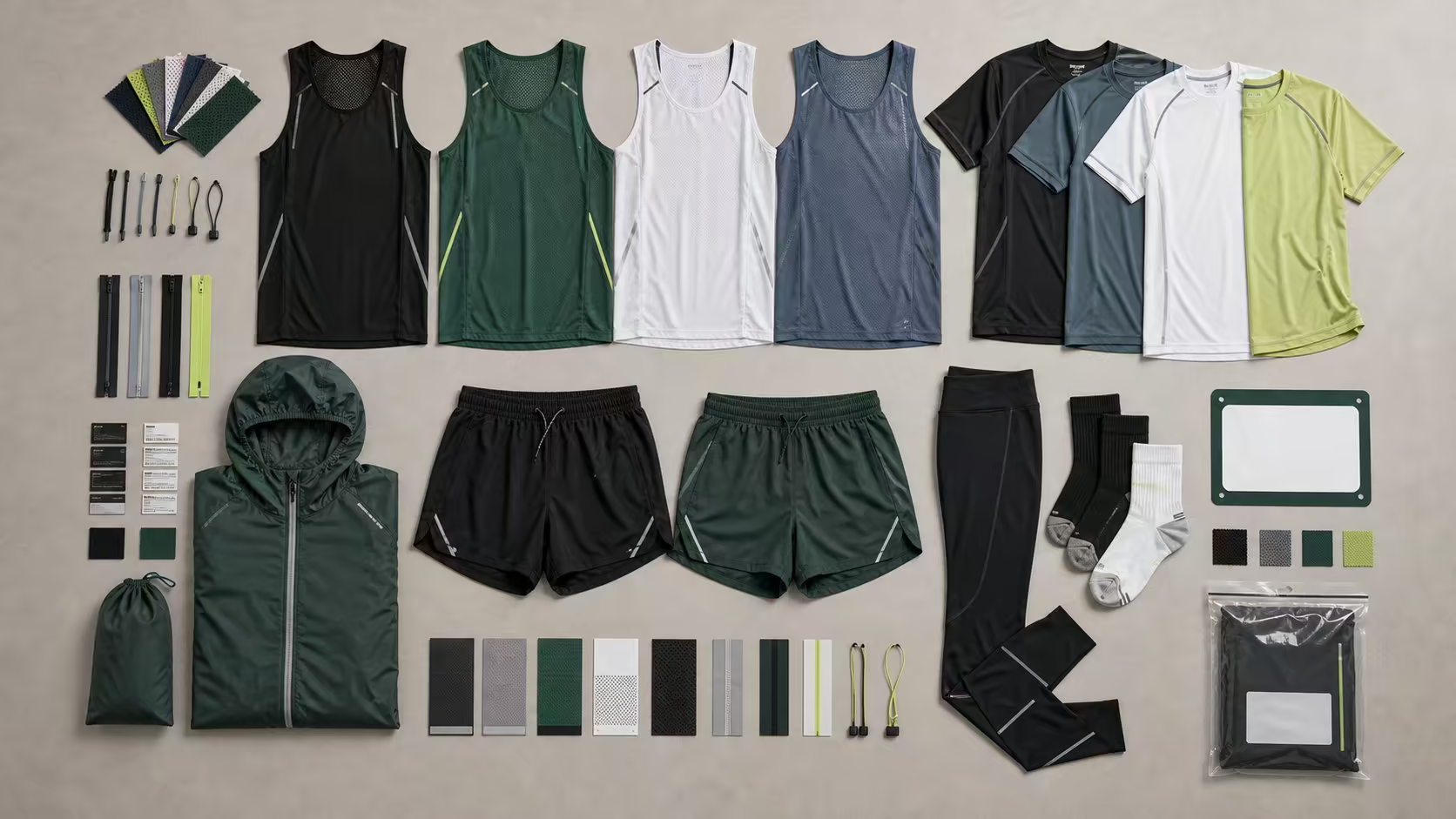
Sport-specific decision map
Control tri-suit format, three-discipline fit, transition construction, and athlete approval
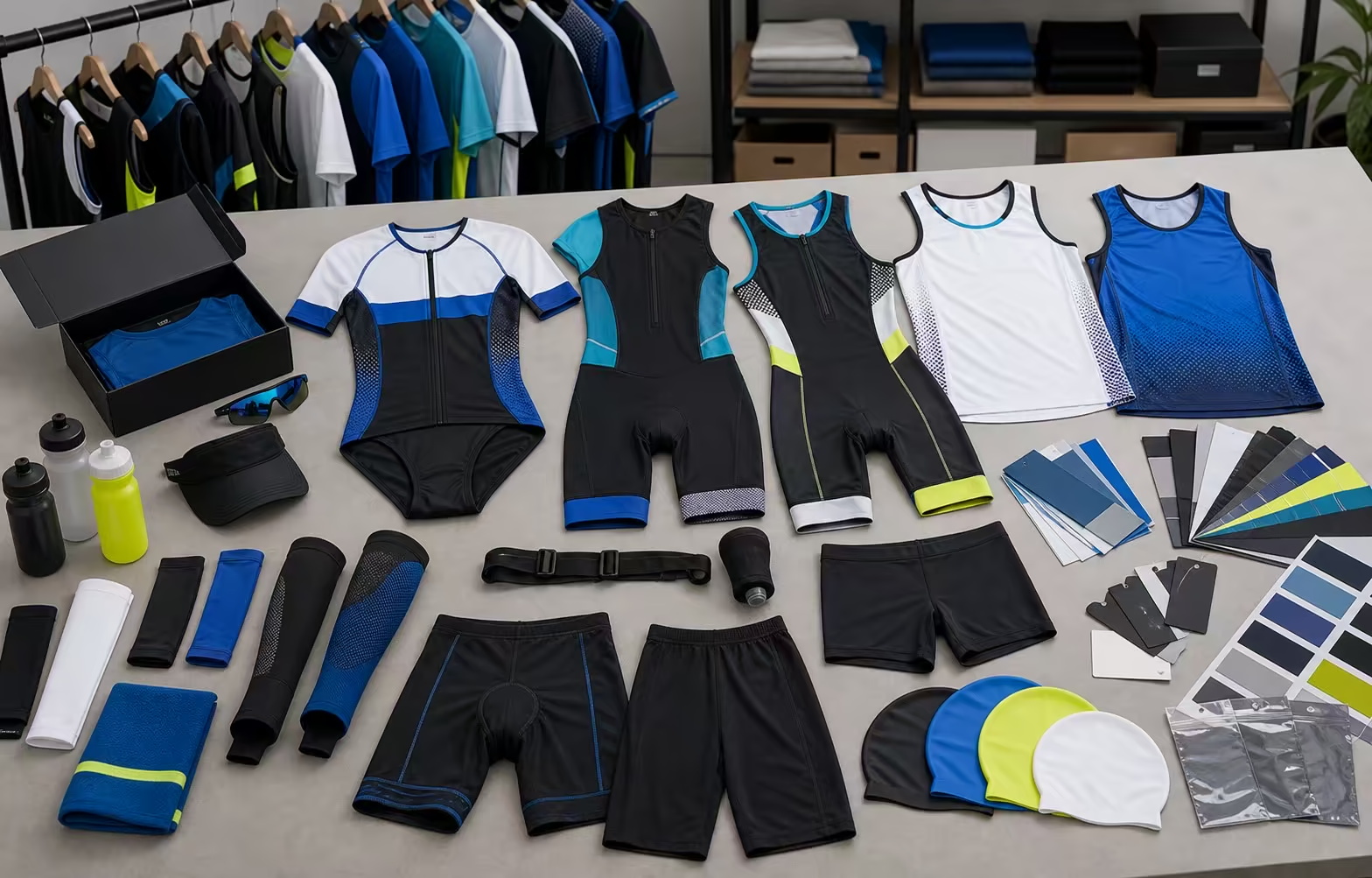
A triathlon suit should not inherit a cycling skinsuit, running kit, or generic endurance specification unchanged. Name the race format and review how one garment behaves through swim, bike, run, and transition.
01One-piece, two-piece, and race format
Name the event, distance, athlete level, sleeved or sleeveless direction, one-piece or two-piece route, wet or dry conditions, wetsuit interaction, carried nutrition, number attachment, and current organizer requirements. Keep short-course, long-course, training, and retail assumptions separate until the project brief confirms them.
02Swim, bike, run, and transition fit
Review torso, shoulder, armhole, neckline, waist, hip, rise, inseam, leg opening, sleeve, compression, and coverage through swim reach, cycling posture, running stride, bending, and transition changes. Record restriction, gaping, riding, pressure, wet opacity, recovery, water retention observations, and chafe points by sample size.
03Zipper, chamois, grippers, pockets, and seams
Map zipper route and guard, chamois or padding direction, panel joins, gusset, low-profile seams, sleeve and leg grippers, pocket position and load, labels, hems, and number attachment. Review these features across all three disciplines; a cycling-only or standing fit check is not sufficient approval evidence.
04Athlete artwork, event checks, and allocation
Map club, team, athlete or country identity, sponsors, event marks, number zone, front, back, side, sleeve and leg artwork, color contrast, and size-dependent scaling. Link the dated artwork to the athlete, fit block, size, suit version, event instructions, individual pack, spare allocation, and reorder record.