Weightlifting singlets · club suits · competition briefs
Custom Weightlifting Singlet Manufacturer
Develop weightlifting competition singlets, training suits, warm-up layers, club tops, coach apparel, and coordinated team pieces for clubs, schools, federations, events, private labels, and distributors.
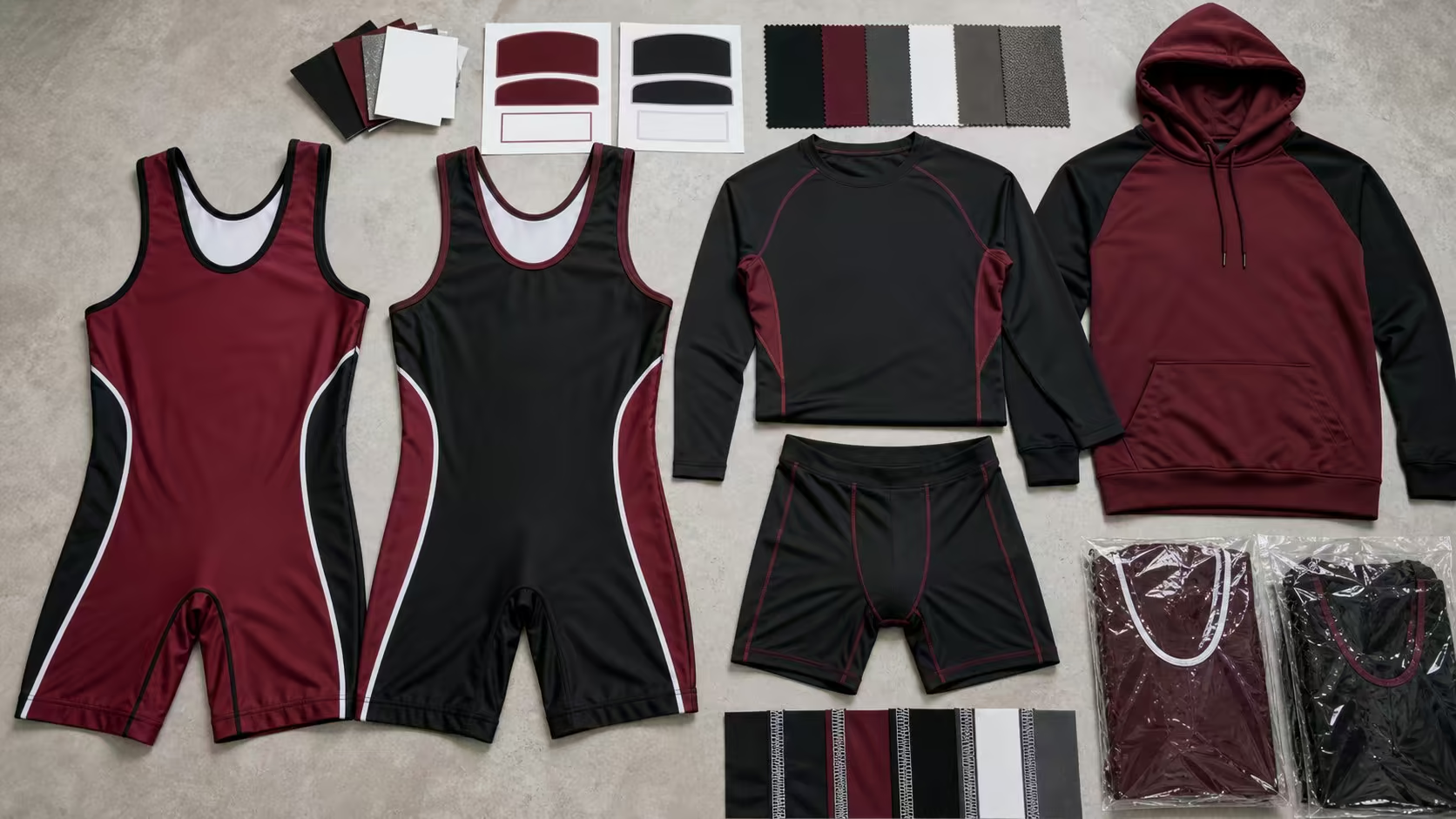
Image and page scope: every image on this page is an illustrative planning reference, not a photograph of available stock, current production, a customer order, or an approved specification. Product feasibility and commercial terms are confirmed against the submitted brief.
Content reviewed · Buyer-facing planning scope, not a fixed quotation.
Product directions
Define the exact custom weightlifting singlets range before sampling
Keep weightlifting separate from wrestling singlets and compression base layers: define overhead and deep-position movement, competition costume coverage, bar-contact zones, athlete allocation, weigh-in context, artwork, and team records.
Range and silhouette planning
Weightlifting competition singlets, training singlets, warm-up jackets and pants, club T-shirts, coach apparel, socks, bags, and coordinated team merchandise.
Confirm torso girth, shoulder strap, neckline, armhole, back and side coverage, hip and seat balance, thigh opening, crotch length, men's, women's, youth, or custom athlete blocks, and allocated size.
Buyer and use context: weightlifting clubs, schools, universities, federations, events, sports brands, private labels, retailers, and teamwear distributors.
Material and construction review
State target composition, weight, stretch and recovery, opacity, handfeel, surface friction, color and decoration route on coded swatches; compression, durability, or performance language requires an agreed test.
Review shoulder straps, neckline and armhole finish, side and inseam route, crotch and seat shape, leg opening, low-profile labels, bar-contact or belt zones, and decoration placement.
Define deep squat positions, clean and jerk, snatch, overhead lockout, hip and shoulder mobility, bar contact, platform heat, belt or support use, warm-up, and repeated training conditions.
Branding, order, and approval control
Control club, federation or school identity, athlete name, country or team marks, sponsor positions, transfers, sublimation or embroidery, labels, and athlete, team, event, or retail packing.
Quantity by competition, training, warm-up, staff, or retail item, fit block, colorway, athlete size, name, club or country identity, sponsor version, spare allocation, packing group, destination, and event date.
Approve an identified singlet sample, measurements, squat, pull and overhead movement notes, opacity and recovery review, bar-contact observations, artwork, athlete roster, weigh-in or event instructions, pack plan, and reorder reference.
Sport-specific decision map
Separate weightlifting fit, bar-contact construction, weigh-in context, and athlete allocation
A weightlifting competition singlet is not a wrestling uniform or a compression underlayer. Confirm the current event rules, intended use, athlete block, movement, construction, artwork, and approval responsibility before bulk release.
01
Competition costume versus training suit
Name the governing body, event, age group, competition costume, training version, warm-up pieces, belt or support use, branding restrictions, and approval deadline. Check the current event TCRR and organizer instructions; this page and a supplier sample do not certify eligibility.
02
Deep squat and overhead fit
Review torso girth, strap position, neckline, armhole, side and back coverage, crotch length, seat, hip, thigh opening, and leg hem through the snatch, clean, jerk, deep squat, pull, and overhead lockout. Record restriction, gaping, riding, exposure, or seam pressure by athlete and size.
03
Bar, belt, seam, and decoration zones
Map bar-contact, belt, torso, hip, thigh, label, seam, transfer, patch, and logo positions. Review surface, bulk, edge hardness, backing, stretch, opacity, and decoration adhesion on the production-intent material without turning requested reinforcement into an untested claim.
04
Athlete samples, weigh-in, and team packs
Link athlete, fit block, garment size, sample identity, competition and training versions, club or country artwork, sponsors, spares, individual pack, carton, destination, and reorder code. Record the applicable weigh-in or costume procedure supplied by the organizer.
These short answers define what can be reviewed now, what the buyer should provide, and which terms still require project confirmation.
What should the custom weightlifting singlets brief define before sampling?
Keep weightlifting separate from wrestling singlets and compression base layers: define overhead and deep-position movement, competition costume coverage, bar-contact zones, athlete allocation, weigh-in context, artwork, and team records. For the custom weightlifting singlets brief, a reference image alone is not an approved specification. Feasibility is confirmed only after the submitted project brief is reviewed.
Which movement and use conditions should be tested for custom weightlifting singlets?
Define deep squat positions, clean and jerk, snatch, overhead lockout, hip and shoulder mobility, bar contact, platform heat, belt or support use, warm-up, and repeated training conditions. For the custom weightlifting singlets sample, record the intended wearer, test conditions, sample identity, observations, and acceptance decision; the planning notes on this page are not universal performance claims.
How are custom weightlifting singlets MOQ, samples, and lead time confirmed?
Confirm quantity by competition, training, warm-up, staff, or retail item, fit block, colorway, athlete size, name, club or country identity, sponsor version, spare allocation, packing group, destination, and event date. For custom weightlifting singlets, MOQ, sample cost, sample rounds, and lead time are then confirmed for that brief. No universal figure on this page is a quotation or production commitment.
What custom weightlifting singlets evidence should be checked before bulk release?
Approve an identified singlet sample, measurements, squat, pull and overhead movement notes, opacity and recovery review, bar-contact observations, artwork, athlete roster, weigh-in or event instructions, pack plan, and reorder reference. Keep the approved custom weightlifting singlets evidence linked to the final specification, purchase order, and release decision.
Rules and verification
Official rules and buyer verification
These sources help identify questions for the brief; they do not prove that a proposed garment complies. The buyer must name the competition, market, season, and current rule set, then approve the final artwork, sample, and evidence.
Official reference
IWF Technical and Competition Rules and Regulations
Use the current IWF download record and applicable event instructions to verify competition-costume, coverage, advertising, athlete, weigh-in, equipment, and organizer-approval requirements before release.
Request a scoped custom weightlifting singlets review
Send the competition and training singlet direction, current event TCRR, athlete fit and sizes, material and construction targets, artwork, quantities, packing, country, and event date.