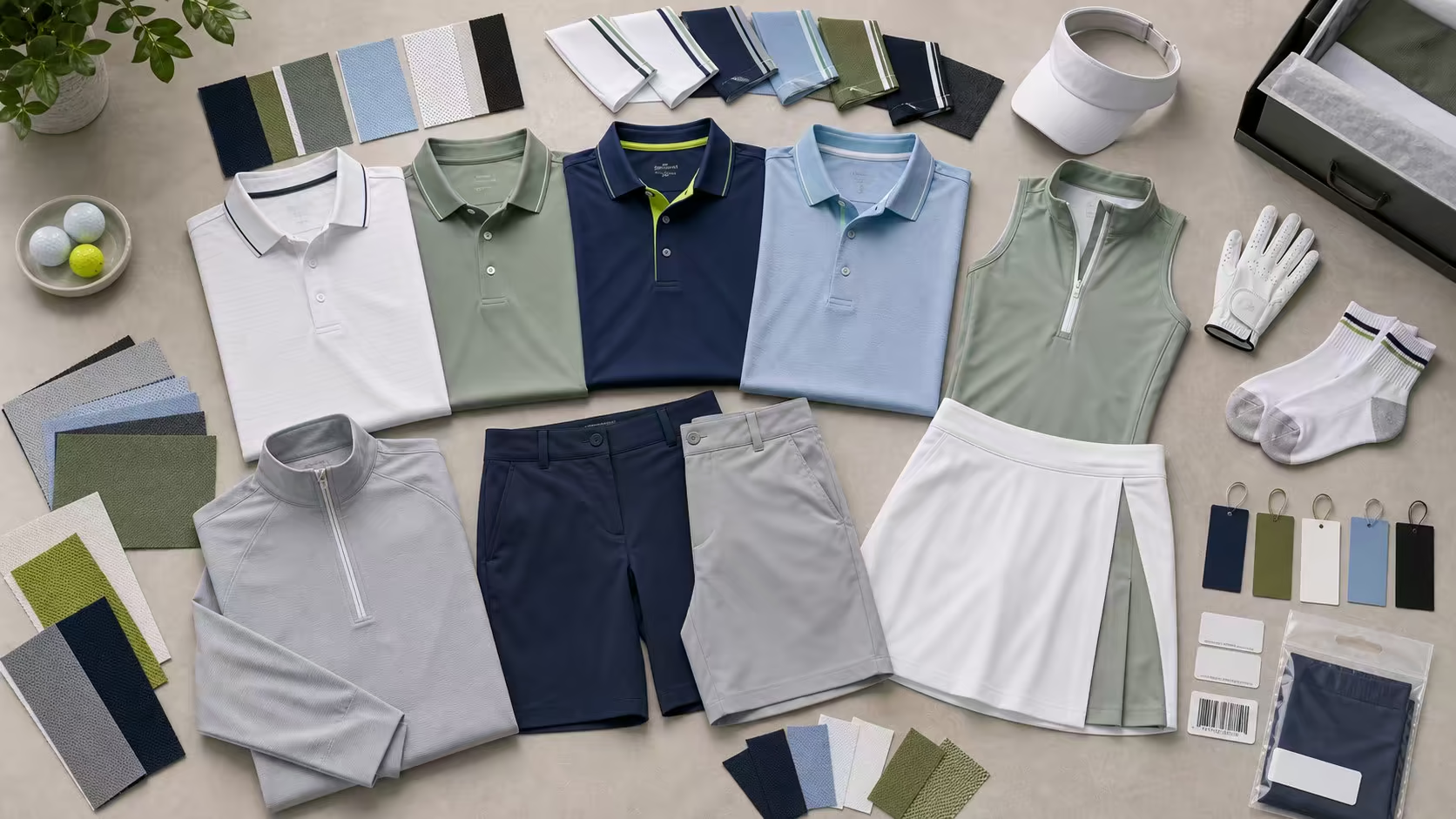
Illustrative product-planning reference: Custom golf polo shirts and skorts product board with polos sleeveless tops golf skorts shorts quarter zips visors gloves fabric swatches labels and packaging

Golf polos skorts resort retail

Custom Golf Polo Shirts and Skorts Manufacturer

Develop men's golf polos, women's polos, sleeveless tops, golf skorts, tailored shorts, quarter zips, visors, gloves, stretch pique, documented performance options, embroidery, labels, and retail packaging.

Image and page scope: images are illustrative product-planning references, not photographs of available stock, current production, customer orders, or approved specifications. Exact product scope, materials, construction, decoration, MOQ, sampling, lead time, packing, and reorder conditions require project-specific confirmation.

Direct answer

Approve golf polos and skorts through swing, bend, walk, sit, loaded-pocket, and care checks

A production-intent sample should identify the polo or skort, fit block, size, fabric and color, collar or waistband construction, placket or liner, pockets, labels, intended tuck route, wearer scope, movement sequence, carried items, and care cycle. Record the condition that produced every result.

Important limit: no fabric name, cooling or UV label, pocket count, liner length, or size label proves universal performance. Any comfort, moisture, sun-protection, fit, or durability statement needs evidence for the exact product, color, method, market, use, and claim.

Product details

Golf polos and skorts for clubs, resorts, pro shops, and private label brands

Plan collars, plackets, skirt liners, UV fabric, cooling handfeel, trims, logo methods, packaging, and size runs for golf retail programs.

Illustrative product-planning reference: Golf polo shirts sleeveless tops skorts shorts quarter zips visors gloves labels and packaging

Polos, Sleeveless Tops, and Quarter Zips

  • Men's polos, women's polos, sleeveless tops, quarter zips, lightweight vests, visors, gloves, and socks
  • Stretch pique, cooling jersey, UV protection, collar structure, zipper plackets, and embroidery placement
  • Useful for golf clubs, resorts, pro shops, corporate events, and lifestyle sportswear brands
Illustrative product-planning reference: Golf apparel range with polo shirts skorts shorts quarter zips visors gloves and retail packaging

Golf Skorts and Retail Sets

  • Golf skorts, liner shorts, tailored shorts, resort sets, staff uniforms, and seasonal pro shop capsules
  • Color stories, waistband control, pocket placement, care labels, hangtags, barcode labels, and polybags
  • Supports resort retail, club shops, ecommerce golf stores, and distributor programs
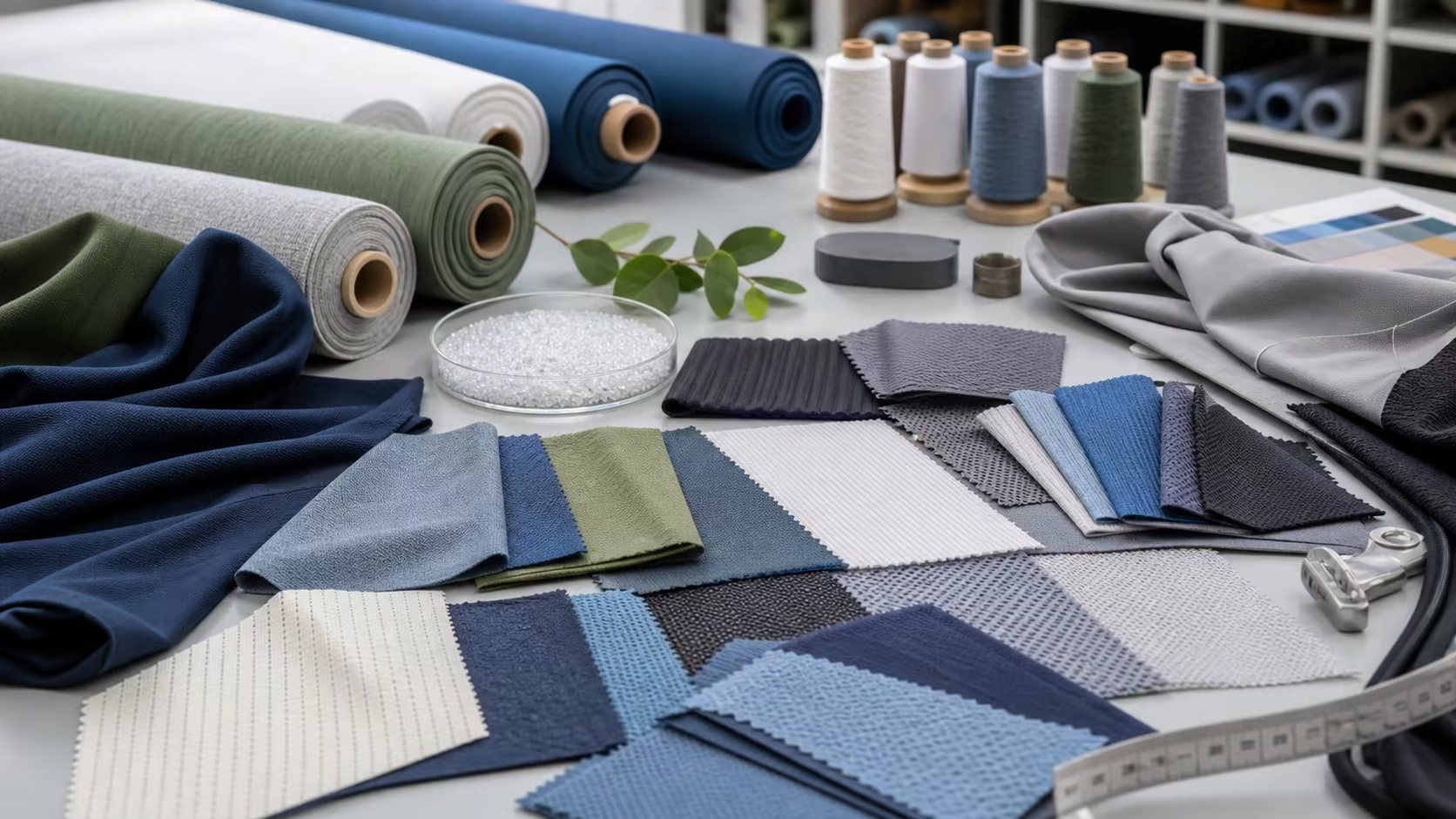
Illustrative product-planning reference: Performance fabric swatches for golf polos and skorts with stretch pique cooling jersey mesh and UV materials

Fabric and Logo Options

  • Stretch pique, interlock, cooling jersey, mesh panels, UV fabric, rib collars, smooth zipper tape, and structured hems
  • Embroidery, heat transfer, silicone patches, woven labels, neck labels, hangtags, and retail packaging
  • Fabric handfeel and lab dips can be reviewed before bulk production

What golf apparel can be customized?

Golf polos, sleeveless tops, skorts, shorts, quarter zips, vests, visors, gloves, socks, labels, hangtags, embroidery, and retail packaging.

Best for

Golf resorts, clubs, pro shops, corporate events, private label brands, distributors, and ecommerce golf stores.

Quote inputs

Send reference styles, color direction, logo files, fabric preference, size range, quantity, packaging needs, and target market.

Sample specification

Resolve the construction details that separate a polo from a skort

This page focuses on product-level execution. Use the broader golf apparel program page when planning layers, accessories, retail allocation, and a coordinated collection.

Product areaSpecify before samplingReview on the sample
Polo bodyFit block, body length, sleeve shape, hem, side vent, fabric weight, and stretch direction.Garment balance, movement, opacity, recovery, seam appearance, and how the hem sits when worn.
Collar and placketSelf-fabric or rib collar, collar height, stand, button or zipper placket, reinforcement, and trim colors.Collar roll, edge stability, placket alignment, closure function, and appearance after handling.
Skort shell and linerRise, waistband, skirt length, overlap, liner length, leg opening, pocket placement, and attachment method.Coverage through movement, waistband stability, liner recovery, pocket access, and seam comfort.
BrandingArtwork file, finished size, placement reference, embroidery or transfer method, labels, and hangtag.Scale, registration, puckering, color, distance from seams, and consistency across men's and women's styles.
Size controlPoint-of-measure chart, base size, grade rules, tolerances, and wearer market.Measured values, fit notes by product, and whether polo and skort sizing should use separate blocks.

Complaint to evidence

Turn golfer feedback into sample variables

Recurring golf-community questions point to fit, tuck length, collar stability, heat and visible moisture, pocket access, liner movement, and waistband control. Treat each complaint as a condition to reproduce and measure—not as a universal product verdict.

Wearer feedbackVariables to inspectEvidence to record
“The polo is baggy or the sleeves are too long.”Fit block, shoulder, chest, torso ease, armhole, sleeve length and opening, body length, fabric recovery, size, and wearer proportions.Garment measurements, wearer code, standing, swing and bend views, movement restriction or excess location, adjacent-size result, and correction.
“The hem will not stay tucked, or looks too long untucked.”Intended tuck route, front and back length, hem and vent shape, stretch and recovery, trouser or skort rise, waistband construction, and movement.Named bottom, tuck depth, repeated swing and bend sequence, hem movement, adjustment count, untucked appearance, wash state, and revised result.
“The collar rolls or the placket waves.”Collar component and construction, height, stand, edge, stabilizer, placket type, reinforcement, closure, fabric, seam, and care.Flat and worn views before and after handling and wash, edge and placket measurements, closure use, issue location, revision, and approval decision.
“The shirt feels hot or the color shows sweat.”Exact fabric construction, composition, weight, color, finish, layers, weather or indoor condition, activity, duration, fit, and wash state.Sample and color identity, defined conditions, elapsed time, appearance and moisture observations, comparison method, photos with consent, and claim limitation.
“The skort has no usable pocket, or the pocket bag pulls out.”Pocket location, opening, angle, depth, bag shape and attachment, shell and liner interaction, closure, item dimensions, and movement.Named phone, balls, tees, marker or card, approximate load, access attempts, containment, pocket-bag movement, distortion, bounce, and post-wash repeat.
“The liner rides up or the waistband slips.”Rise, waistband height and construction, liner length and opening, attachment, grade, fabric stretch and recovery, size, wearer proportions, and care.Starting and ending positions during walk, swing, bend and sit, elapsed time, adjustment count, pressure or movement location, measurements, and size-set result.

Eight-part sample test

Approve the garment configuration—not a generic feature list

  1. Lock the sample identity

    Record style, sample ID, revision, size, measurements, pattern or construction reference, exact fabrics and colors, collar or waistband components, closures, liner, pockets, labels, artwork, and care route.

  2. Define the wearer and use

    Use a wearer code and record the intended tucked or untucked route, relevant proportions, climate or indoor condition, layer, movement sequence, duration, and carried items. Protect personal measurements and images.

  3. Review polo fit and movement

    Check shoulder, chest, torso ease, sleeve, armhole, front and back length, hem, vent, coverage, restriction, excess, artwork distortion, and tuck behavior while standing, walking, swinging, bending, and sitting.

  4. Check collar and placket stability

    Record collar roll, edge, stand, placket alignment and surface, closure function, reinforcement, seam response, and change after handling and the proposed care cycle.

  5. Observe heat, moisture, and color

    Identify the exact garment, color, layer, condition, activity, duration, and comparison. Record observations without turning one wear test into a universal cooling, moisture-management, or sun-protection claim.

  6. Review skort movement, liner, and waist

    Record shell coverage, overlap, liner and waistband starting position, movement, pressure, recovery, adjustment, and seam response through the defined sequence.

  7. Load and use every intended pocket

    Name the items and approximate load, then check access, containment, pocket-bag pullout, bounce, distortion, liner interaction, visibility, and repeated use before and after care.

  8. Wash, measure, and cover risk sizes

    Repeat relevant checks after the proposed care cycle. Include the base size, range ends, and torso, arm, hip, thigh, height, or other fit-sensitive sizes, then document why the matrix supports release or another sample.

Free worksheet

Download the golf polo and skort sample checklist

The CSV records sample identity, wearer and use scope, tuck route, polo fit, collar and placket, heat and moisture observations, skort waistband and liner, loaded pockets, care, representative sizes, evidence, issues, limitations, and release status.

  • Delete the illustrative row and define product-specific methods and acceptance rules.
  • Use wearer codes and secure any personal measurements or images.
  • Keep the limitation visible: one wearer, color, condition, or wash cycle does not prove universal performance.

Related controls

Connect garment evidence to the golf program and bulk files

FAQ

Golf polo and skort sample questions

What should a golf polo sample test include?

Identify the exact sample, revision, size, fit block, fabric and color, collar, placket, intended tucked or untucked route, measurements, wearer scope, standing, walk, swing, bend and sit sequence, moisture observations, care cycle, representative sizes, evidence, issues, and limitations.

How should a golf skort pocket be tested?

Name the intended phone, balls, tees, marker, glove, card, or other items and approximate load. Then record access, containment, opening recovery, pocket-bag pullout, bounce, distortion, visibility, shell and liner interaction, and repeated use through walking, swinging, bending, sitting, and the proposed care cycle.

Why does a golf skort liner ride up or the waistband move?

Possible variables include rise, waistband construction, liner length, opening and attachment, shell balance, fabric stretch and recovery, grade, size, wearer proportions, movement, moisture, and care. Record the starting condition, timing, position change, adjustment, measurements, and adjacent-size result before choosing a correction.

Can a golf polo be described as cooling, moisture-wicking, or UV protective?

Only when the exact wording, product, fabric, color, method, use conditions, evidence, and intended market have been reviewed under applicable rules. A fiber name, finish name, one wear test, or supplier label alone should not be treated as proof of a universal performance or sun-protection claim.

Should every golf polo and skort size and color be sampled?

Use a documented risk-based matrix. Include the base size, range ends, fit-sensitive proportions, colors that may change appearance or process behavior, and any size or color affected by a different material, trim, artwork, or construction. Add another sample whenever a changed variable creates an unverified condition.

Build a golf polo and skort collection

Send polo references, skort details, fabric direction, logo files, size range, quantity, and packaging needs. We will recommend a sample-ready route.