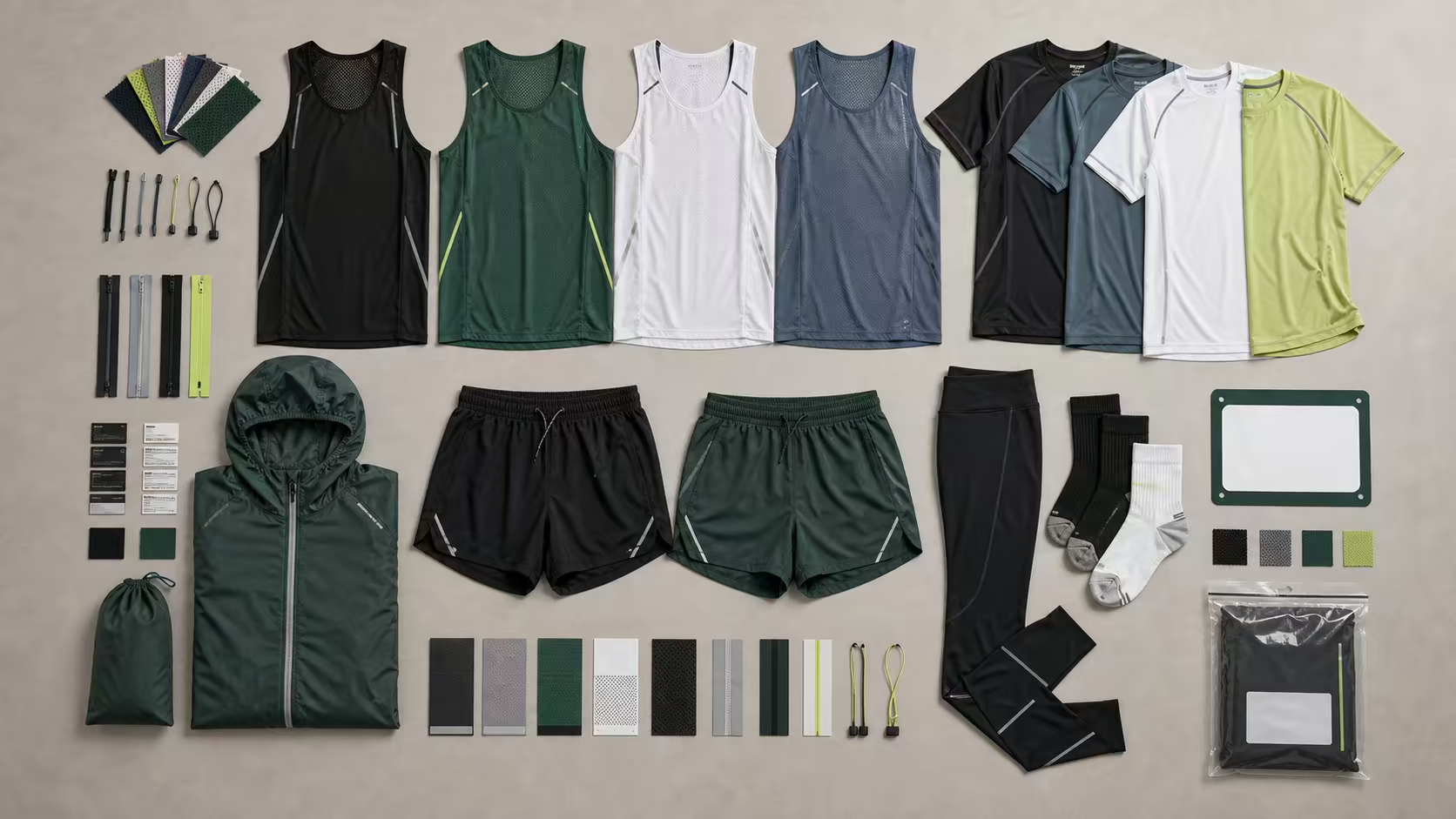
Develop split shorts, standard running shorts, 2-in-1 styles, trail shorts, warm-up bottoms, and coordinated race apparel for running brands, clubs, events, retailers, and distributors.
Image and page scope: every image on this page is an illustrative planning reference, not a photograph of available stock, current production, a customer order, or an approved specification. Product feasibility and commercial terms are confirmed against the submitted brief.
Content reviewed · Buyer-facing planning scope, not a fixed quotation.
Product directions
Define the exact custom running shorts range before sampling
Separate the outer short, liner, waistband, storage, reflective artwork, labels, and packing plan so each component can be reviewed for the intended distance, climate, movement, and buyer market.
Range and silhouette planning
Split running shorts, standard woven shorts, 2-in-1 shorts, trail shorts, compression liners, warm-up shorts, youth options, and coordinated singlets or race tops.
Confirm rise, waistband position, outseam and inseam, side-split depth, hem sweep, liner length and compression, leg opening, seat and hip ease, women's, men's, youth, or unisex block, and graded size range.
Buyer and use context: running brands, race organizers, clubs, schools, retailers, distributors, corporate event buyers, and private-label sportswear programs.
Material and construction review
Set separate targets for outer and liner composition, weight, stretch, recovery, airflow, opacity, handfeel, color, and moisture-management testing on coded swatches rather than marketing names alone.
Review waistband and drawcord, side split, gusset, liner attachment, low-profile seams, pocket type and reinforcement, key or phone storage, reflective transfer location, labels, and chafe-sensitive edges.
Define road, track, trail, gym, or event use; expected distance; stride and hip flexion; heat and moisture; carried items; layering; wash conditions; and the wear-test method for ride-up, chafing, pocket bounce, and coverage.
Branding, order, and approval control
Control logos, club or event marks, reflective graphics, color blocking, all-over print, size labels, care labels, hangtags, barcode or SKU labels, individual bags, and race, retail, or team packing.
Quantity by short type, outer and liner color, women's, men's, youth, or unisex fit block, size, artwork version, pocket option, packing unit, delivery country, and race or launch date.
Approve a coded wear sample, garment measurements, stride and flexion notes, ride-up and chafe observations, liner coverage, pocket-load review, color and artwork placement, wash-test scope, packing record, and written bulk release.
Sport-specific decision map
Control running-short length, liner behavior, storage, and wear-test evidence
A running-shorts brief is not the same as a generic gym-bottom or track-uniform brief. Define the distance, movement, carried items, outer and liner system, and approval evidence before confirming the construction route.
01
Split, standard, 2-in-1, or trail silhouette
Choose the use case before selecting length and construction. Record rise, waistband position, side-split depth, outer-short sweep, liner length, seat coverage, leg opening, layering, and intended women's, men's, youth, or unisex block. Approve those measurements through running movement rather than from a flat image or standing sample alone.
02
Liner, seams, and chafe review
Map liner attachment, gusset, inner-leg and rise seams, elastic edges, labels, drawcord exits, and transfer edges against repeated hip flexion and expected distance. Define a wear-test duration and feedback record for pressure, ride-up, bunching, abrasion, heat, opacity, and recovery; no comfort or anti-chafe claim should be inferred without the agreed review.
03
Pocket load and reflective artwork
Name the objects the runner may carry, their dimensions and weight, and the required access direction. Review pocket position, closure, reinforcement, bounce, fabric distortion, and sweat exposure on the identified sample. Treat reflective graphics as a design direction until placement, visibility conditions, application durability, and any requested test method are approved.
04
Race, retail, and club allocation
Separate samples, athlete kits, staff units, event merchandise, retail SKUs, spares, and reorder stock by style, fit block, size, colorway, artwork, label set, and packing group. Link the final roster or SKU sheet to approved measurements, artwork version, packaging, carton marks, delivery point, and required arrival date.
These short answers define what can be reviewed now, what the buyer should provide, and which terms still require project confirmation.
What should the custom running shorts brief define before sampling?
Separate the outer short, liner, waistband, storage, reflective artwork, labels, and packing plan so each component can be reviewed for the intended distance, climate, movement, and buyer market. For the custom running shorts brief, a reference image alone is not an approved specification. Feasibility is confirmed only after the submitted project brief is reviewed.
Which movement and use conditions should be tested for custom running shorts?
Define road, track, trail, gym, or event use; expected distance; stride and hip flexion; heat and moisture; carried items; layering; wash conditions; and the wear-test method for ride-up, chafing, pocket bounce, and coverage. For the custom running shorts sample, record the intended wearer, test conditions, sample identity, observations, and acceptance decision; the planning notes on this page are not universal performance claims.
How are custom running shorts MOQ, samples, and lead time confirmed?
Confirm quantity by short type, outer and liner color, women's, men's, youth, or unisex fit block, size, artwork version, pocket option, packing unit, delivery country, and race or launch date. For custom running shorts, MOQ, sample cost, sample rounds, and lead time are then confirmed for that brief. No universal figure on this page is a quotation or production commitment.
What custom running shorts evidence should be checked before bulk release?
Approve a coded wear sample, garment measurements, stride and flexion notes, ride-up and chafe observations, liner coverage, pocket-load review, color and artwork placement, wash-test scope, packing record, and written bulk release. Keep the approved custom running shorts evidence linked to the final specification, purchase order, and release decision.
Rules and verification
Official rules and buyer verification
These sources help identify questions for the brief; they do not prove that a proposed garment complies. The buyer must name the competition, market, season, and current rule set, then approve the final artwork, sample, and evidence.
Official reference
World Athletics rules and regulations
Use the current governing documents only when a buyer needs competition-specific apparel, advertising, or event-rule review; the applicable competition and season must be confirmed.
Send the running-short styles, distance and climate, fit blocks, size plan, outer and liner targets, pockets, artwork, quantities, packing, country, and launch or race date.