Develop field hockey tops, skirts, skorts, shorts, socks, goalkeeper and warm-up apparel, staff layers, and club merchandise for schools, clubs, colleges, and academies.
Image and page scope: every image on this page is an illustrative planning reference, not a photograph of available stock, current production, a customer order, or an approved specification. Product feasibility and commercial terms are confirmed against the submitted brief.
Content reviewed · Buyer-facing planning scope, not a fixed quotation.
Product directions
Define the exact field hockey uniforms range before sampling
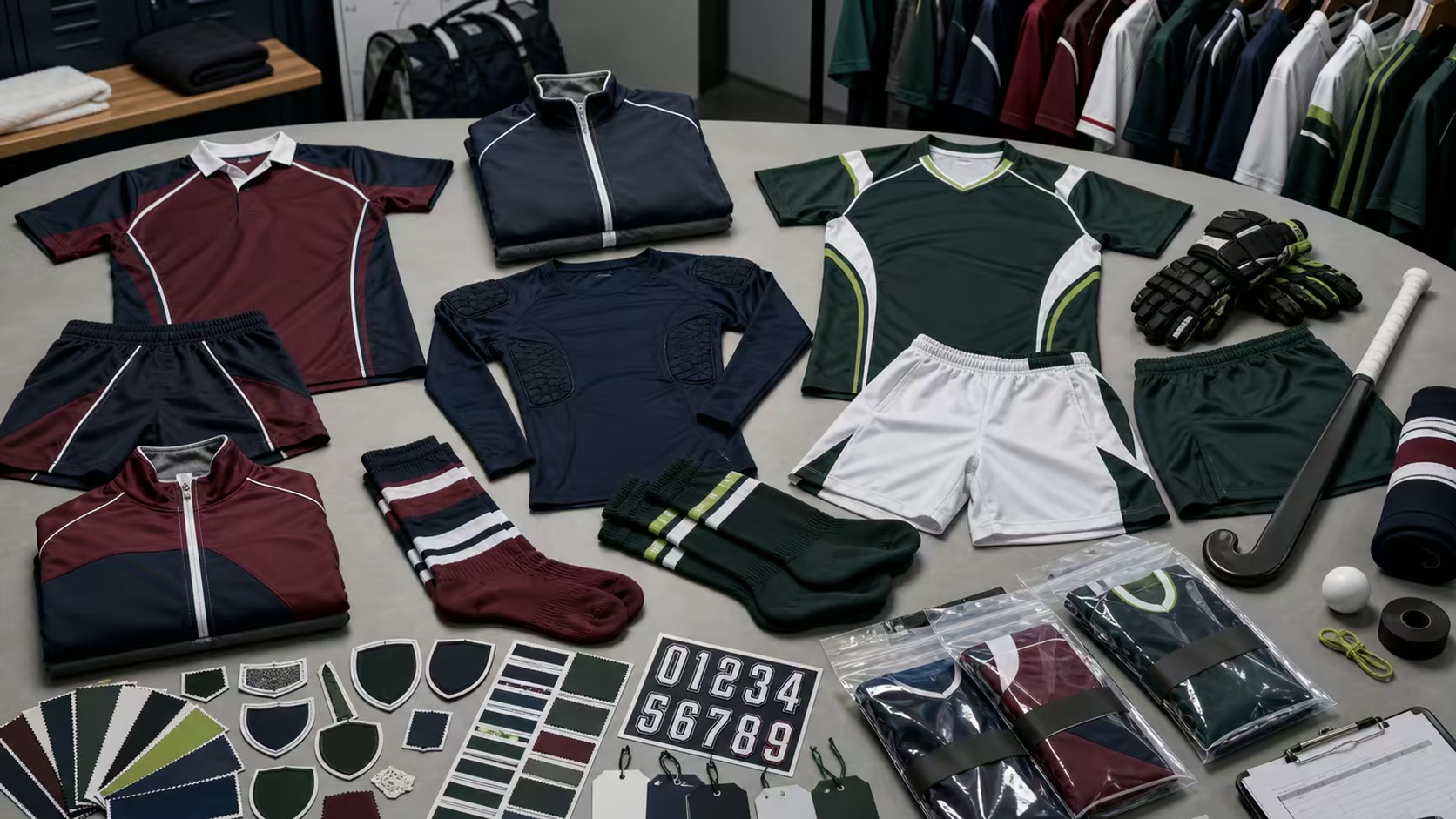
Separate field hockey from rugby and ice hockey: define running and stick posture, women and youth fit, skirt or skort coverage, short and sock coordination, goalkeeper distinction, club artwork, and roster records.
Range and silhouette planning
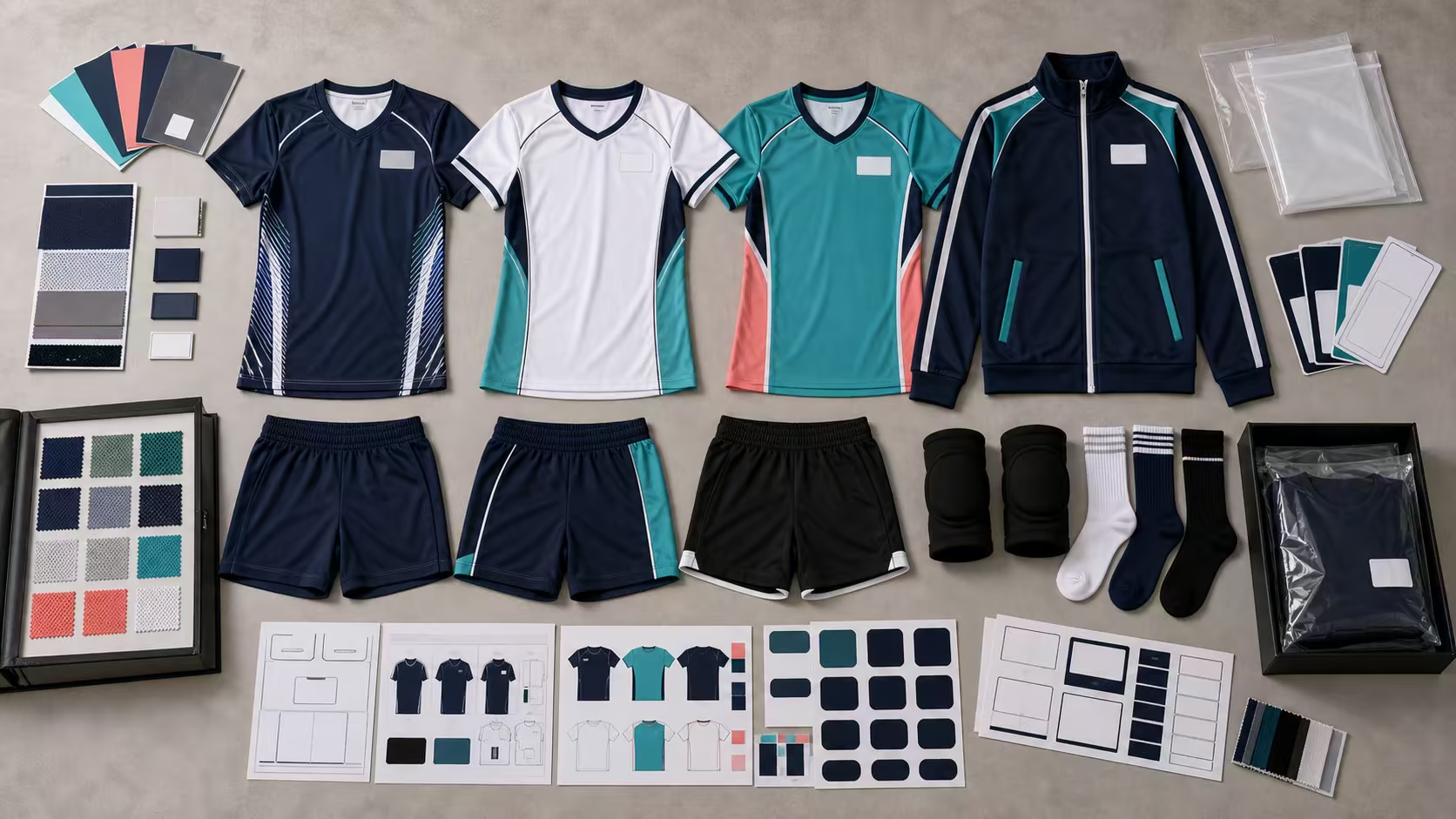
Sleeveless or short-sleeve hockey tops, skirts, skorts, shorts, socks, goalkeeper tops, base layers, warm-up jackets, polos, staff apparel, and club merchandise.
Confirm the women's, youth, or unisex top fit block, bust and hip balance, armhole and neckline coverage, top length, skirt or skort rise and liner, short inseam, sock size, and player allocation.
Buyer and use context: field hockey clubs, schools, colleges, academies, leagues, sports brands, distributors, and teamwear resellers.
Material and construction review
Set target top and bottom composition, weight, stretch, airflow, opacity, liner handfeel, abrasion expectation, color reference, and decoration compatibility on coded swatches.
Review armhole, neckline, side and shoulder panels, skort liner, waistband, gusset, hem, low-profile seams, reinforcement, sock structure, and goalkeeper identification.
Define sprinting, low stick posture, lunging, reaching, repeated directional changes, field climate, base layers, stick-side movement, and goalkeeper versus field-player use.
Branding, order, and approval control
Control club crest, sponsor marks, player numbers, goalkeeper contrast, home and away colorways, embroidery or prints, labels, and player, team, or retail packing.
Quantity by player role, top and bottom option, women's, youth, or unisex fit block, colorway, player size, number, spare allocation, team pack, country, and season date.
Approve the identified field-player and goalkeeper samples, low-posture movement, coverage, measurements, artwork, liner and seam comfort, roster, packing plan, and reorder record.
Sport-specific decision map
Resolve field-hockey posture, skort coverage, goalkeeper distinction, and club allocation
Field hockey has a different movement and garment system from rugby and ice hockey. The product brief should be built around low stick posture, the chosen women or youth block, field-player bottoms, and clearly separated goalkeeper needs.
01
Low stick posture and armhole movement
Review the top while sprinting, lunging, rotating, reaching across the body, and holding a low stick position. Confirm shoulder and side-panel mobility, armhole and neckline coverage, bust and hip balance, top length, hem movement, base-layer interaction, and number placement across the intended women's, youth, or unisex fit block.
02
Skirt, skort, short, and liner system
Choose the field-player bottom by club and competition context. Define rise, waistband, skirt overlap, skort liner length, short inseam, gusset, leg opening, pocket policy, opacity, stretch, seam profile, and coverage through running and low posture. Approve liner handfeel and outer-to-inner color relationship on the actual sample.
03
Goalkeeper contrast and sock coordination
Separate goalkeeper tops and layers from field-player colorways, fits, protection interfaces, numbers, and packing groups. Coordinate sock size, length, color, structure, and club artwork with each kit, but confirm garment compatibility with any protective equipment through the buyer's identified sample review rather than assuming one universal goalkeeper setup.
04
School, club, and season roster control
Structure the roster by field player or goalkeeper, top, skirt, skort or short, sock, warm-up layer, women's, youth, or unisex fit block, colorway, player size, and number. Add spares and late-player rules, then retain the approved measurements, artwork, color references, packing list, carton marks, and reorder codes for the next season.
Direct buyer answers
Field Hockey Uniforms sourcing questions, answered clearly
These short answers define what can be reviewed now, what the buyer should provide, and which terms still require project confirmation.
What should the field hockey uniforms brief define before sampling?
Separate field hockey from rugby and ice hockey: define running and stick posture, women and youth fit, skirt or skort coverage, short and sock coordination, goalkeeper distinction, club artwork, and roster records. For the field hockey uniforms brief, a reference image alone is not an approved specification. Feasibility is confirmed only after the submitted project brief is reviewed.
Which movement and use conditions should be tested for field hockey uniforms?
Define sprinting, low stick posture, lunging, reaching, repeated directional changes, field climate, base layers, stick-side movement, and goalkeeper versus field-player use. For the field hockey uniforms sample, record the intended wearer, test conditions, sample identity, observations, and acceptance decision; the planning notes on this page are not universal performance claims.
How are field hockey uniforms MOQ, samples, and lead time confirmed?
Confirm quantity by player role, top and bottom option, women's, youth, or unisex fit block, colorway, player size, number, spare allocation, team pack, country, and season date. For field hockey uniforms, MOQ, sample cost, sample rounds, and lead time are then confirmed for that brief. No universal figure on this page is a quotation or production commitment.
What field hockey uniforms evidence should be checked before bulk release?
Approve the identified field-player and goalkeeper samples, low-posture movement, coverage, measurements, artwork, liner and seam comfort, roster, packing plan, and reorder record. Keep the approved field hockey uniforms evidence linked to the final specification, purchase order, and release decision.
Decision support
Continue from product idea to a controlled manufacturing brief
Compare the parent collection, material and quality requirements, then send one consolidated brief rather than separate untracked messages.
Rugby and field hockey parent range
Compare the two sport-specific routes while keeping shared club, travel, supporter, roster, and packing systems together.
Send the field-player and goalkeeper range, women's, youth, or unisex fit direction, colors, crest and sponsors, roster, quantities, packing, country, and season date.